Why Artisan Bread Is the Future of Restaurant Dining
In an era when diners seek more than a quick bite, bread has re-emerged as a storytelling medium on the table. It is no longer merely a side item; it is a crafted experience that signals care, terroir, and culinary intention. Artisan bread, with its unique fermentation, texture, and aroma, has become a versatile backbone for contemporary menus. At Nino’s Bakery, rooted in West Long Branch, New Jersey, we have seen firsthand how a well-made loaf can elevate a dish, anchor a beverage program, and create a sense of place for guests—whether they are dining in a high-end restaurant, grabbing a sandwich from a deli, or enjoying a station at a catered event. This introduction lays the groundwork for understanding why artisan bread is not just a trend but a foundational element of the future of restaurant dining. Meta Description: Discover why artisan bread is the future of dining. See how Nino’s leads the trend with quality loaves!
The Craft Behind Artisan Bread in a Modern Kitchen
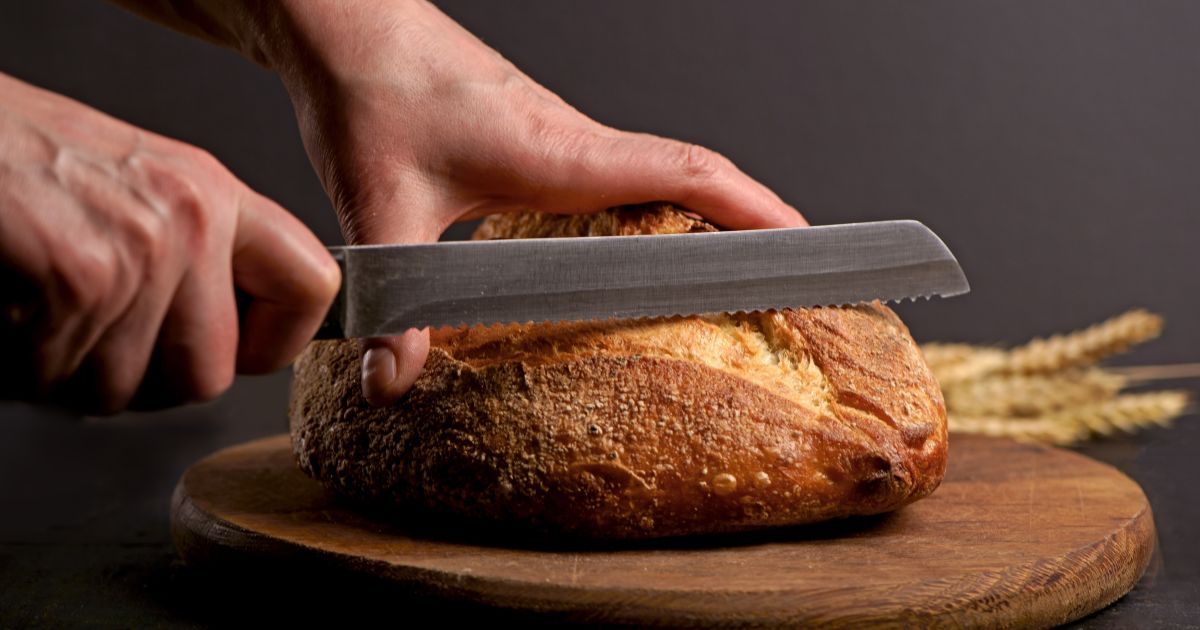
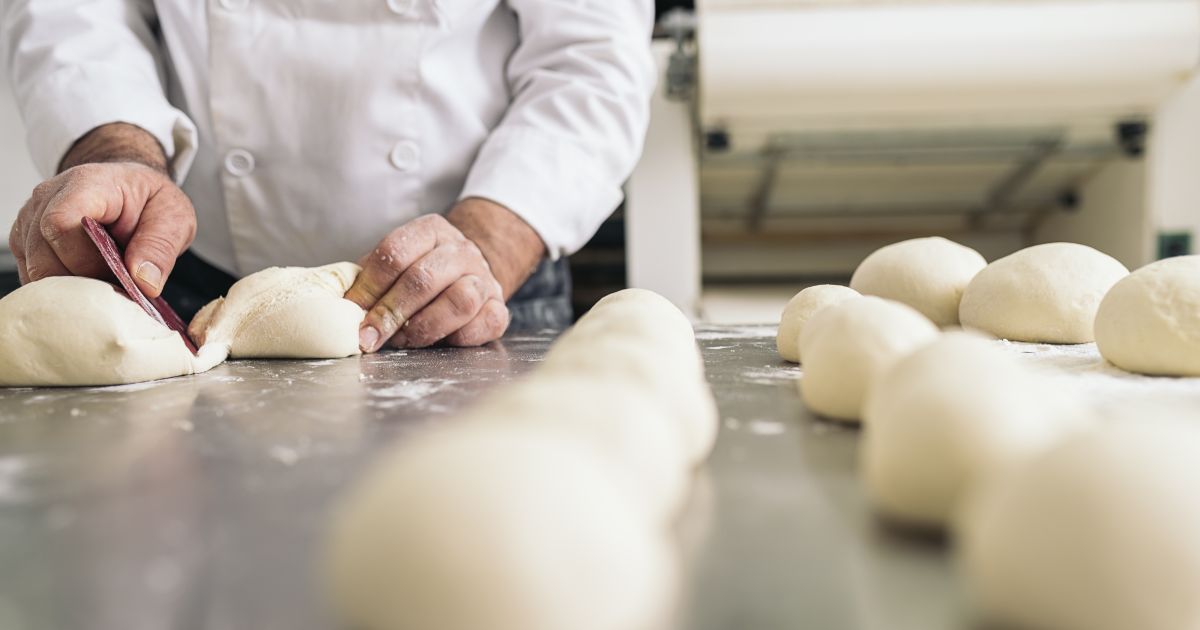
Artisan bread begins long before the crust crack meets the palate. It starts with intention: the choice of flour, the timing of fermentation, and the environment in which dough is nurtured. At Nino’s, daily production blends time-tested recipes with premium, unbromated flours to honor traditional techniques while delivering reliable results at scale. The result is a bread that carries the nuance of a handcrafted loaf into the heart of a restaurant’s kitchen, ready to compliment a menu rather than compete with it. The craft is a dialogue between farmer, miller, baker, and guest, each voice calibrated to produce a loaf with character, not merely volume. To understand the breadth of this craft, consider the elements that make artisan bread distinctive and scalable:
- Fermentation as Flavor. Slow, controlled fermentation develops depth, acidity, and crumb structure that can’t be rushed. Natural levains and longer proofing times unlock a complexity of flavor that pairs beautifully with olive oil, soups, roasted vegetables, and charcuterie.
- Ingredient Integrity. Using premium unbromated flours preserves flavor and digestibility, avoiding chemical additives that sometimes accompany mass-produced breads.
- Crust, Crumb, and Aroma. The crack of a well-timed crust, the open crumb, and the aroma of a freshly baked loaf create a multisensory dining moment that lingers with guests.
- Consistency at Scale. Craft does not have to sacrifice reliability. Modern ovens, measured fermentation, and rigorous QA allow us to deliver uniform quality for wholesale partners and daily retail customers alike.
- Storytelling Through Form. From crusty bastones to soft sandwich rolls, each shape invites a different usage in service, enabling chefs to craft menus with confidence and creativity.
In practice, these principles translate into practical advantages for restaurants and foodservice partners. A loaf that bakes consistently across a busy service aligns with a kitchen’s needs for predictable slice yield, portion control, and timing. It also ensures that a guest experience—whether a table bread service, a toasted sandwich, or an afternoon catering spread—starts with a positive, memorable impression. This alignment between craft and operational reality is what makes artisan bread a strategic asset in today’s kitchens. For those curious about our approach in more detail, the about-us page explains the ethos that informs our daily work, and the catalog showcases the range of loaves available for wholesale and retail partnerships.
Quality, Fermentation, and Consistency: The Pillars of the Future
Quality is not a singular moment in time; it is an ongoing promise. Artisan bread embodies that promise through a disciplined approach to fermentation, ingredient quality, and process control that supports high-volume production without sacrificing character. In a restaurant setting, this translates into a dependable platform for menu planning and guest experience. The idea is to provide bread that behaves like a culinary instrument—one that enhances, rather than competes with, the flavors on the plate. From a technical perspective, several factors combine to sustain this future-ready bread:
- Controlled Fermentation. Time is a key ingredient. Natural fermentation develops a signature acidity and depth, while also contributing to a longer shelf life and better toasting behavior for plates and displays.
- Hydration and Structure. Carefully managed dough hydration yields a crumb that is both tender and resilient, supporting a variety of toppings and fillings without collapsing under heat or moisture.
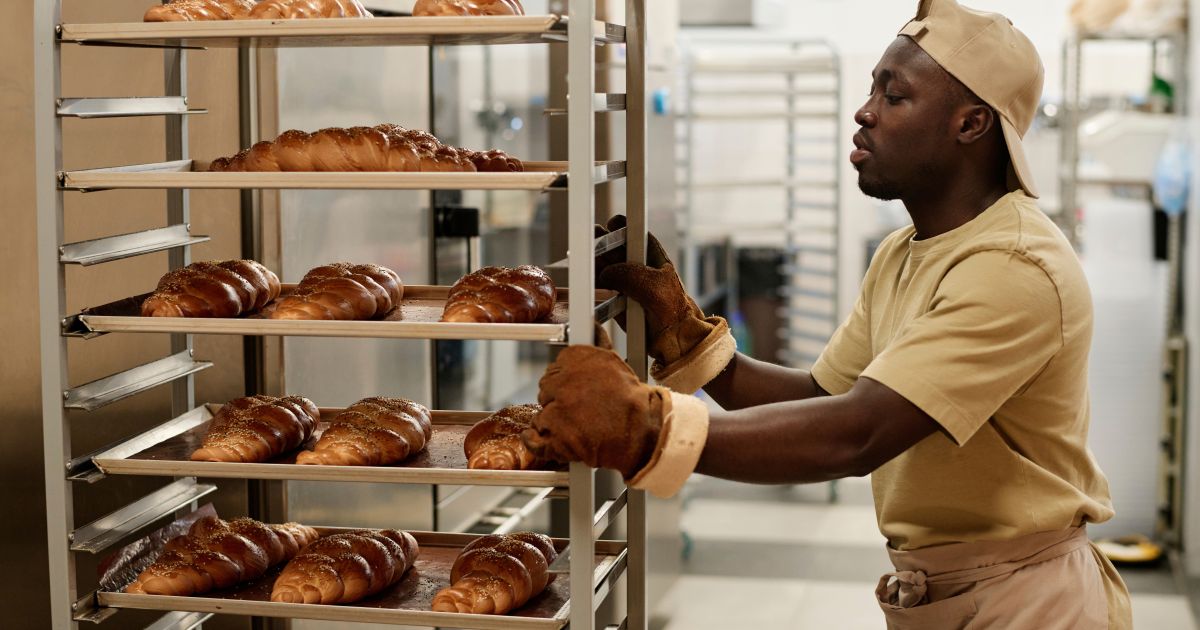
- Oven and Bake Rhythm. Modern bakeries employ precise oven temperatures, steam management, and bake cycles to ensure crust development and crumb consistency across dozens or hundreds of loaves per day.
- Ingredient Sourcing. Selecting premium, unbromated flours aligns flavor with digestibility and avoids off-notes that can arise from lower-quality grains. This aligns with a restaurateur’s commitment to clean labeling and transparency.
- QA for Wholesale. When serving multiple venues, a predictable product timeline is essential. Our wholesale program emphasizes uniform crust color, crumb texture, and aroma across orders, ensuring that a customer in a deli, cafe, or hotel pantry experiences the same standard of bread every time.
For restaurateurs and foodservice buyers exploring scalable solutions that don’t compromise craft, Nino’s wholesale service provides a reliable backbone for menu development. You can browse our offerings in the catalog and learn more about our approach on about-us.
The Experience Beyond the Crust: Menu and Customer Impact
Artisan bread reshapes the dining experience by offering chefs a versatile platform for creativity. A crusty loaf can stand up to bold flavors in a rustic antipasto, soften under a drizzle of olive oil in a warm bread bowl, or transform a simple sandwich into a signature plate with texture, aroma, and balance. This impact extends beyond the plate to guest perception: the presence of a well-made loaf communicates investment in quality, respect for ingredients, and care for the dining experience. In a world where guests increasingly seek authenticity, the loaf becomes a tangible ambassador of a restaurant’s values. For operators evaluating how to integrate artisan bread into daily service, consider these practical pathways:
- Bread as a Menu Anchor. Use loaves to frame seasonal dishes, with pairings such as olive oil, aged balsamic, or regional cheeses that highlight terroir.
- Wholesale Reliability. Consistent delivery supports uniform experiences across multi-unit brands, hospitality programs, and event catering.
- Training and Storytelling. Share the craft with front-of-house teams so servers can describe the loaf’s origin, fermentation, and pairing options, enriching guest conversations and perceived value.
- Locally Sourced, Globally Inspired. Embrace a regional American bread program that nods to European techniques while respecting modern dietary needs and preferences.
As the industry evolves, the bread on the table is more than sustenance—it is an articulation of a restaurant’s identity. That identity, grounded in craftsmanship and reliability, is exactly what Nino’s strives to deliver with every loaf. For a closer look at our broader philosophy and product range, the homepage offers an entry point, with deeper dives available through about-us and our catalog for wholesale partners.
These reflections set the stage for the next facet of the conversation: Rising Demand for Authenticity. In the following section, we’ll explore how consumer expectations have shifted toward genuine craft, transparency, and sensory richness, and why artisan bread sits at the heart of that shift.
Why Artisan Bread Is the Future of Restaurant Dining
In modern dining, bread has moved from a simple accompaniment to a signature element of the guest experience. Diners are no longer satisfied with industrial loaves that arrive pre-sliced, pre-packaged, and ubiquitous. They want bread that tells a story—one of time, technique, and place. The rising demand for authenticity is reshaping how restaurants design menus, pair dishes, and plan service routines. When a bread program conveys character—the aroma of long fermentation, the crust's audible crack, the crumb's spring—guests feel cared for. They’re more likely to trust the kitchen, order with confidence, and perceive value in a seemingly small detail that has outsized impact on flavor, texture, and memory.
Rising Demand for Authenticity
Authenticity is not a buzzword; it is the sensory and narrative truth that guests can sense with their eyes, nose, and palate. The demand breaks down into several tangible signals that diners actively seek:
- Ingredient provenance: Locally milled flours, unbromated formulations, natural starter cultures, and minimal artificial additives are increasingly cited on menus and in conversations with guests. The use of unbromated flours, for example, is a hallmark of traditional bread-making and a signal of commitment to quality over convenience.
- Traditional methods: Fermentation timelines, hand shaping, and long, cool rises produce flavor depth and a crust that sings when sliced or pulled apart. Guests can distinguish a bread that began as an heirloom technique from one delivered by a pressurized proofer and a blast-furnace oven.
- Craft over commodity: A bakery program that emphasizes batch-to-batch variation in flavor and texture—while still delivering reliability—feels artisanal, not mass-produced. The occasional crust blister or irregular crumb is part of the narrative, signaling human craft rather than automation alone.
- Transparency and storytelling: Menus that explain the loaf’s origin, the grain’s origin, and the fermentation story help guests connect with the bread as part of the dish, not as a generic backdrop.
- Local pride and sustainability: Guests value bread produced close to where they dine, with responsibly sourced ingredients and a supply chain that supports community bakeries and regional flavors.
For restaurateurs, rising authenticity translates into a straightforward business case. Guests ready to pay premium for the tangible value of a loaf that has been nurtured through time will, in many cases, perceive the entire menu more favorably. This doesn't just elevate a sandwich or a plate—it elevates the entire dining experience, from the first aroma at the table to the lingering taste on the palate. When authenticity is central to the bread program, it sets a restaurant apart in a crowded market and creates opportunities for menu storytelling that resonates across generations of diners.
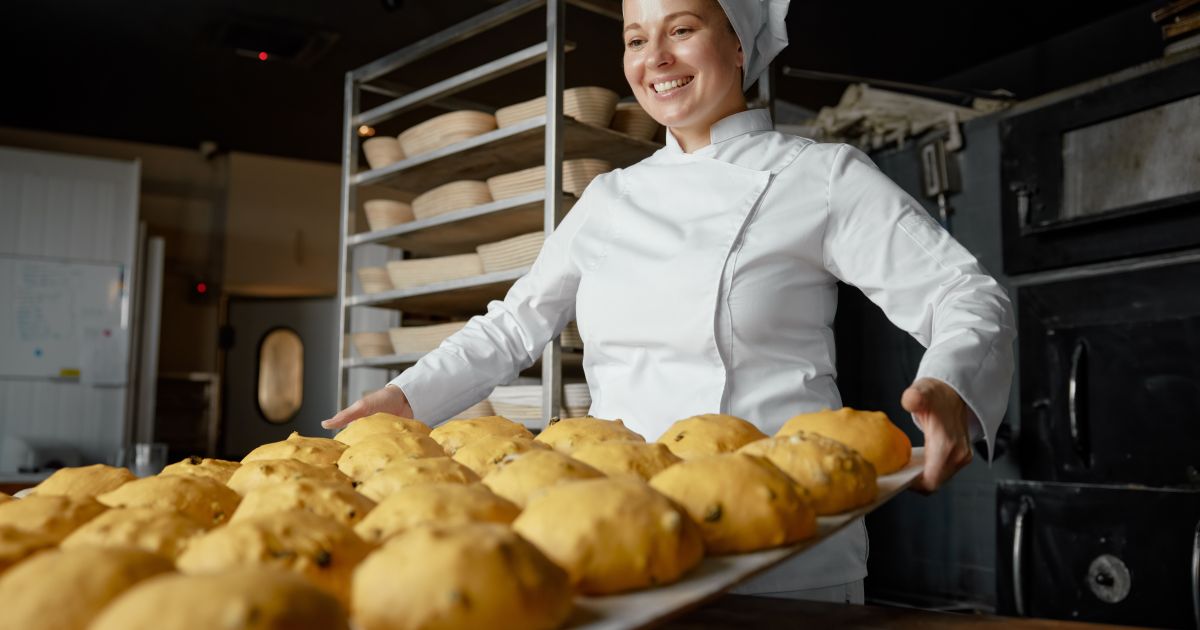
From a practical standpoint, authentic bread must be reliable at scale. A restaurant or hotel kitchen often faces the challenge of balancing craft with consistency: the same loaf should deliver the same aroma, crust, and crumb whether you’re feeding a party of 12 or 240. This is where a partner with a true artisan heart but a robust wholesale operation becomes invaluable. The right partner can provide daily fresh-baked breads using time-tested recipes and premium, unbromated flours, with the flexibility to meet high-volume demand without sacrificing authenticity or flavor. This combination—craft and consistency—lets restaurants maintain menu integrity even during peak service periods and busy events.
Consider how authenticity informs product selection at a practical level. A deli may rely on crusty bastones for elevated sandwiches that stand up to hearty fillings. A cafe may feature a daily roll program to complement premium coffees and small plates. A catering operation may need bulk quantities that maintain the same flavor profile across dozens or hundreds of loaves. The common thread is a bread program that is both deeply rooted in traditional technique and perfectly capable of supporting modern service models. In such a program, the bread becomes a differentiator that can be scaled to meet demand while preserving its character.
Enhancing Menu Differentiation
Authenticity is not a stand-alone benefit; it is a strategic lever for menu differentiation. When a restaurant uses breads that carry a story—whether it’s the crumb, the crust, or the aroma—it creates a cohesive dining narrative across courses. Distinctive loaves can harmonize with signature dishes, elevate sandwich builds, and enable chefs to push creative pairings that would be more difficult with generic breads. This is particularly impactful in hospitality settings where guests may see the same menus across multiple nights or locations; a bread program with a clear point of view helps build memory, loyalty, and repeat visits.
Key ways authenticity translates into menu differentiation include:
- Signature loaf lines: Introduce house-specific breads that reflect regional terroir or seasonal ingredients (for example, a rosemary olive loaf, a rustic country loaf, or a sesame-topped filone). These loaves become brand cues that appear in dishes, pairings, and specials.
- Enhanced sandwich platforms: Sandwiches built on a crusty baguette, a soft Italian loaf, or a crumb-rich roll can define a restaurant’s sandwich program. Guests remember a sandwich not just for its fillings but for the bread that carries it.
- Pairing-driven menus: Bread selection informs sauces, salts, and garnishes offered with dishes—an opportunity for cross-discipline chefs and pastry teams to collaborate on a shared tasting narrative.
- Events and promotions: Limited-edition loaves for holidays or regional celebrations can generate excitement, drive foot traffic, and increase per-guest check averages through storytelling and novelty, while still delivering consistent quality when scaled to volume.
From a supply perspective, partnering with a bakery that both honors artisanal traditions and delivers reliable wholesale service is essential. At Nino’s Bakery, the focus on daily fresh-baked bread using time-tested recipes and premium unbromated flours demonstrates how authenticity can be baked into operational reality. This approach ensures menus can lean into narrative-driven bread offerings without sacrificing service speed or consistency—an essential consideration for restaurants, cafés, and foodservice providers across New Jersey and the broader region. For more about our baking philosophy and people, you can explore our About Us page, while our catalog showcases the range of loaves, buns, and specialty breads that can become the signature stars of any menu.
To see how authentic, artisan bread from a regional bakery can fit your concept, explore our catalog or learn more about our approach on the About Us page:
Why Artisan Bread Is the Future of Restaurant Dining
Artisan bread is more than a side dish on a plate; it is a narrative, a texture, and a flavor anchor that can elevate an entire menu. As diners become more discerning about sourcing, technique, and story, bakeries and restaurants are pairing to differentiate themselves through bread. In high-volume dining environments, artisan bread offers consistency, sell-through potential, and the ability to build a compelling brand around a simple product. In this section, we explore how artisan bread enhances menu differentiation and why it is shaping the next era of restaurant dining.
Unique Breads as a Brand Signature
Unique breads act as a restaurant signature, much like a chef's most trusted sauces or a distinctive plating approach. They convey concept and terroir, whether that’s a Tuscan rustic loaf with olive oil notes, a San Francisco-inspired sourdough with a gentle tang, or a grain-forward loaf that whispers of local mills. The real power lies not only in flavor but in the story—the grain source, the hydration level, the fermentation schedule, and the precise bake time that yields a crust that crackles and a crumb that stays tender. When menus feature a rotating lineup of breads—seasonal focaccias, whole-grain boules, or specialty rolls—the restaurant invites curiosity and creates repeat-dining opportunities. A memorable bread list strengthens the menu narrative, guiding guests from appetizers to entrées with a consistent thread. It also supports menu flexibility: you can swap in a bread with regional pairings, swap to a different crumb for a lighter pairing, or introduce a regional specialty during a limited-time promotion. For operators considering the logistics of scale, partnering with a bakery that can deliver distinctive profiles at volume makes it possible to maintain authenticity without sacrificing efficiency. To explore how we design breads for scale and variety, browse our catalog and learn about our approach on about us.
Textural Playground: Crust, Crumb, and Flavor Profiles
Texture is the language of bread on the plate, and artisan methods give chefs a vocabulary they can count on. A carefully developed crust delivers aroma and a crisp surface that immediately signals quality, while the crumb reveals structure, moisture, and mouthfeel. Through long fermentation, controlled hydration, and precise oven temperatures, artisan loaves develop flavor profiles that range from mellow and malty to lively and tangy. This texture palette enables precise menu engineering: a hearty boule can anchor a rustic dish, a delicate open-crumb loaf can cradle delicate seafood, and a seeded loaf can complement roasted vegetables or charcuterie. The result is a more nuanced dining experience, where bread is a course in itself and a vehicle for sauces, oils, and accoutrements. Moreover, distinct textures help diners remember a dish long after the table is cleared, reinforcing brand recall and encouraging repeat visits. For restaurants seeking scale without sacrificing terroir, a wholesale partner that preserves fermentation discipline and bake schedules ensures consistent texture across dozens or hundreds of plates each day. Delve into how we craft flavor and texture at scale by visiting our site and catalog to compare crust textures and crumb structures across products.
Operational Synergy: Consistency, Speed, and Waste Reduction
One of the strongest arguments for artisan bread in a high-volume restaurant is consistency. A reliable supplier who can deliver uniform crust, crumb, and moisture content across multiple locations and at all service times reduces risk and simplifies kitchen workflows. With a well-planned bake schedule, bread can align with peak service hours, ensuring fresh, hot loaves are available at lunch rushes and dinner service alike. The economic logic is straightforward: predictable yields minimize waste and maximize margins, while bulk bread formats support fast service without compromising quality. In addition, standardized dough weights, consistent fermentation windows, and repeatable baking curves enable kitchens to forecast portions and plan pairings with confidence. A well-curated bread program also opens waste-reduction opportunities: stale ends can become croutons for salads, breadcrumbs for crusted proteins, or base for slow-simmered sauces. The result is a more efficient operation where bread is not simply a side but a strategic ingredient that can be repurposed across courses and days. For restaurants exploring scale and reliability, our wholesale offerings are designed to meet demanding kitchen timelines while preserving artisan character. Learn more about wholesale options on our catalog page and discover how we align production with restaurant needs.
As the industry trends toward differentiation in a crowded market, artisan bread stands out as a durable, scalable, and emotionally resonant element of the menu. It supports brand storytelling, elevates dish quality, and invites guests to explore texture, aroma, and regional character with every bite. In the next section, we’ll outline Nino’s role in leading this trend and how our West Long Branch bakery partners with operators to craft bread programs that reflect a restaurant’s concept and guest expectations.
Nino’s Role in the Trend
Artisan bread has moved from a bakery showcase to a fundamental building block of contemporary restaurant menus. It’s not just about something warm and tasty on the table; it’s about flavor, texture, consistency, and the way bread can elevate a dish from good to memorable. At Nino’s Bakery, we recognize that this trend isn’t a fad but a shift in how guests experience a meal. Our role is to provide a reliable portfolio of breads that blends traditional technique with modern menu needs—especially ciabatta, focaccia, and a range of other breads designed to complement today’s culinary creativity. By aligning our process with the pace and precision of professional kitchens, we help chefs craft dishes that stand out in a crowded marketplace.
Portfolio for Modern Menus
When a restaurant conceives a sandwich, a shareable starter, or a bread bowl, it needs a bread that performs. Nino’s portfolio is deliberately curated to meet those demands, with a focus on bold, versatile textures and flavors. Our offerings include:
- Ciabatta — an open, airy crumb and a blistered crust that holds up to hearty fillings, oils, and sauces without collapsing.
- Focaccia — a luscious olive-oil foundation infused with herbs and toppings, ideal for panini bases, boards, and elevated antipasti.
- Sandwich rolls and specialty loaves — crusty bastones, rustic loaves, and pre-sliced formats designed for efficient kitchen service and consistent portioning.
These breads are crafted to integrate with modern kitchens—from fast-casual delis to chef-driven concepts—providing chefs with a dependable canvas for creativity. The emphasis is on flavor stability across batches, reliable slicing and packaging options, and a presentation that enhances plate aesthetics.
Quality, Consistency, and Scale
The backbone of the artisan trend is trust. Restaurateurs need bread that tastes the same from Monday to Sunday, batch after batch, across multiple locations if necessary. At Nino’s, we bake daily using time-tested recipes and premium unbromated flours to deliver that consistency. Our approach combines tradition with scale: we maintain the artisanal integrity that makes the crust crackle and the crumb glow, while implementing systems that support high-volume, fast-turnaround baked goods for busy kitchens. In practice, that means predictable loaf sizes, controlled hydration levels, and uniform crust development—every loaf designed to arrive ready for service.
Menu Collaboration & Customization
Modern menus demand flexibility. We partner with culinary teams to tailor bread sizes, slicing preferences, and packaging that align with kitchen workflows. Whether a restaurant needs unsliced loaves for on-site slicing, pre-sliced sandwiches for quick-service operations, or bulks of ciabatta pieces for bread service, Nino’s can adapt. Our ability to customize means chefs can experiment with portions, create signature panini build-outs, or craft bread bowls that fit a specific dish—without sacrificing the artisanal quality that guests expect.
For example, a cafe focusing on afternoondi service may prefer focaccia slabs for bruschetta and crostini, while a deli may opt for ciabatta rounds or batard-style loaves perfect for open-face sandwiches. The goal is to provide a bread foundation that amplifies the dish rather than competes with it.
Delivery Reliability and Kitchen Fit
Beyond flavor, today’s kitchens emphasize timing, inventory accuracy, and waste reduction. Nino’s wholesale service is designed to support high-volume operations with steady delivery windows, batch-to-batch reliability, and clear documentation for inventory planning. By aligning production schedules with restaurant service cycles, we enable chefs to plan menus with confidence—knowing that the breads that anchor a dish will be there when needed, consistently fresh, and ready to plate.
Quality, Sustainability, and Local Pride
The artisan bread movement also carries a responsibility to sustainability and local economies. Nino’s is proud to bake in West Long Branch, New Jersey, using time-honored methods and premium ingredients that minimize processing while maximizing flavor. Our use of unbromated flours aligns with a cleaner ingredient philosophy, supporting clearer labeling and more transparent sourcing for operators who value traceability. Choosing locally produced bread supports regional growers and minimizes transportation miles, reinforcing a menu’s narrative about freshness and community.
Impact on the Modern Dining Experience
When chefs pair ciabatta’s open crumb with a bright vinaigrette, or top a herb-flecked focaccia with burrata and olive oil, bread becomes a platform for texture and aroma. It invites diners to explore, share, and savor more of a menu. The right bread can elevate an antipasto course, anchor a bread service that sets the tone for the meal, or become a star component in a signature sandwich program. In essence, artisan bread is not a side but a strategic differentiator in the guest experience—an ingredient that shapes perception, memory, and repeat visits.
Artisan bread is redefining restaurant dining, and Nino’s is at the forefront. Join the trend with our breads! Wholesale Services or explore broader industry movements at Food & Wine Artisan Bread Trends to see how the landscape is evolving and how your menu can stay ahead of it.
For more information about our products and how they integrate with your concept, you can also review our offerings in the catalog or learn more about our bakery in the About Us section.
Conclusion: Artisan Bread — The Future of Restaurant Dining
Artisan bread has moved from a comforting side to a cornerstone of the dining experience. Its impact on texture, aroma, and flavor creates a tangible memory that diners carry back to their tables long after the check is settled. In an era when guests value transparency, craft, and story, bread becomes a narrative thread—one that binds menus, personalities, and moments together. The result is not merely better bread; it is a more cohesive and engaging dining concept that elevates the entire meal.
Craft, Fermentation, and Flavor
At the heart of this transformation is fermentation. Slow, deliberate fermentation builds depth of flavor, enhances aroma, and develops a crumb that complements a range of dishes—from delicate antipasti to bold sandwiches and hearty pastas. Artisan bread carries a resonant tang, a chewy yet tender crumb, and a crust that crackles with character. These attributes are not accidents; they are the product of time-honored techniques, quality ingredients, and careful dough handling. When restaurants embrace these elements, bread stops being a passive carrier and becomes an active component of the plate, contributing acidity, sweetness, and salinity in harmony with the dish it accompanies.
Consistency as a Competitive Advantage
One of the most compelling shifts is the pairing of craft with consistency. Guests expect the same peak experience plate after plate, service after service. That demands supply chains that can sustain quality at scale without sacrificing the artisan identity. Nino's Bakery meets this demand by combining time-tested recipes with scalable production. The result is breads that taste as if they were made in a small bakery, even when produced for a broad network of restaurants, cafés, and foodservice partners. For chefs, this reliability translates into predictable menu execution, waste reduction, and a stronger backbone for daily operations. In short, you can plan with confidence when your bread program is both authentically crafted and consistently delivered.
Menu Flexibility and Culinary Storytelling
Artisan bread unlocks creative freedom in the kitchen. A crusty bastone can anchor a deli sandwich or a shareable board; a blistered ciabatta offers a perfect vehicle for sauces and cheeses; a rustic loaf elevates soups, salads, and seasonal plates. The crumb structure can be tuned to suit a dish—light and open for sandwiches, tighter and sturdier for stews, or evenly textured for crostini. This versatility supports chefs in telling a more complete culinary story, one that resonates with guests who appreciate texture, aroma, and the poetry of a well-made loaf. As menus evolve with seasons and concept shifts, a dependable artisan bread program ensures the bread remains a reliable narrative thread rather than an afterthought.
Operationally, the adoption of artisan bread aligns with the expectations of modern foodservice: freshness without fragility, quality without complexity, and scale without sacrificing soul. Nino's Bakery offers reliable wholesale service for businesses seeking consistent product quality and supply, backed by premium unbromated flours and carefully controlled baking processes. This partnership supports high-volume, fast-turnaround baked goods while preserving the craft that elevates every bite. The result is a streamlined operation that keeps kitchens focused on execution and guest delight, not procurement hassles.
Chefs and operators exploring the broader movement toward artisan bread will recognize the industry’s emphasis on authenticity, ethical sourcing, and culinary transparency. Diners increasingly want to understand where bread comes from, how it is made, and why it tastes the way it does. The shift toward naturally fermented, minimally processed loaves aligns with these expectations, turning bread into a visible, trusted element of a restaurant’s identity. For those seeking a window into how this trend is unfolding across the country, resources like Food & Wine Artisan Bread Trends offer valuable insights into how chefs, bakers, and restaurateurs are integrating bread into modern dining narratives.
To join the trend with confidence, consider how a well-curated bread program can transform your menu. Nino's Bakery stands at the intersection of craft and reliability, enabling operators to embrace gourmet quality while maintaining the rhythm of a busy kitchen. Learn more about partnering with us through our Wholesale Services and discover how a thoughtfully designed bread program can elevate sandwiches, platters, and daily service. You can also browse our catalog to see the breadth of loaf sizes, crust styles, and specialty loaves we produce for wholesale customers, reinforcing the idea that artisan quality and dependable supply can coexist at scale.
Choosing Nino's means choosing a partner who respects heritage while serving contemporary dining needs. Our commitment to quality, consistency, and local pride ensures that every loaf carries a trace of the bakery’s story while delivering the reliability today’s kitchens require. In a future where guests seek authentic experiences, bread becomes a differentiator—an edible ambassador for your brand that communicates care, craftsmanship, and culinary confidence. The future of restaurant dining is being written in the crust: it is aromatic, crackling, and unmistakably human. With Nino's at your side, you can write that future with clarity, flavor, and confidence.
For more about our company and values, you can explore our About Us page or return to the homepage to learn more about our other offerings. Home is a good starting point for discovering how our heritage informs every loaf we bake today.