Learn why artisan bread, like Nino’s, is shaping the future of restaurant dining with quality and authenticity. Meta Description: Discover why artisan bread is the future of dining. See how Nino’s leads the trend with quality loaves!
Bread has always stood as a quiet anchor at the table, but in today’s dining landscape it has become a marquee of a kitchen’s philosophy. Across the country, menus are shifting from simply satisfying hunger to telling a story—one that begins with the flour, the fermentation, and the patient hands that shape every loaf. In West Long Branch, New Jersey, Nino’s Bakery is translating that story into a scalable reality: time-tested techniques, responsibly sourced, premium flours, and daily breads delivered with the consistency restaurants need to keep service smooth and menus compelling. Artisan bread is not merely an accompaniment; it’s a centerpiece of flavor, texture, and memory. As guest expectations evolve, the bread on the table is increasingly a benchmark for quality, care, and authenticity, and Nino’s is meeting that benchmark with reliability, scale, and a distinctly Italian-inspired sensibility.
What makes artisan bread uniquely relevant to the future of dining is the marriage of craft and practicality. Diners crave bread that tastes like it came from a hands-on bakery rather than a mass-production line, bread that carries a sense of place and time. They want loaves that reflect the rhythm of a season—long fermentation, natural leaven, and ingredients that honor farmers as well as bakers. This move toward authenticity dovetails with broader consumer preferences for farm-to-table storytelling, traceability, and the emotional resonance of well-made bread that complements a chef’s vision. When guests bite into a crust that crackles with character and savor a crumb that carries depth, they are not just tasting flour and water; they are tasting stewardship, patience, and the craft tradition that sustains a kitchen’s identity. Nino’s has built its reputation around that fidelity to craft, delivering breads that carry the aroma of a morning bench and the resilience to stand up to modern kitchen demands.
At its core, artisan bread signals that a restaurant values quality over convenience. This is especially important in a market where restaurants face tight service timelines, rising ingredient costs, and the pressure to differentiate. The bread program becomes a lever for menu storytelling. Whether it’s a crusty bastone in a deli’s display case, a soft, olive-studded focaccia to accompany a restaurant’s antipasti, or a batch of ciabatta destined for panini that define a signature sandwich, the bread sets tone. It informs the guest experience—how they pace their meal, what flavors they encounter first, and how they imagine the kitchen’s overall standards. The rise of artisan bread aligns with other culinary movements that prize micro-methods and macro-consistency: the same care a bakery applies to daily production can be scaled to serve a busy restaurant, a bustling cafe, or a multi-location foodservice operation without sacrificing texture, aroma, or aroma-driven anticipation at the table.
In practical terms, restaurateurs are increasingly evaluating bread not only on taste but on reliability, supply, and the ability to scale. A loaf that tastes exceptional but arrives late or inconsistently can disrupt service and erode guest trust. This is where Nino’s shines: a wholesale capability that preserves artisan quality while delivering predictable performance in high-volume environments. The bakery’s commitment to daily fresh-baked bread, time-tested recipes, and premium unbromated flours translates into a dependable foundation for menus that rely on precise timing and plated artistry. When a kitchen knows it can count on a consistent supply of ciabatta, focaccia, or specialty loaves, chefs gain freedom to experiment with flavors, textures, and culinary concepts—knowing the bread will stand up to sauces, toppings, and heat without compromising the guest experience.
Another dimension of authenticity is regional and culinary heritage. Italian-style breads—think ciabatta, focaccia, and crusty baguette-inspired bastones—offer textures and flavor profiles that resonate with diners who celebrate global bread traditions. This alignment with cultural storytelling makes artisan bread a natural partner for menus that emphasize regional Italian influences, coastal mediterranean fare, or modern fusion concepts. The bread becomes a bridging element that connects a kitchen’s narrative to the plate in front of the guest, reinforcing the restaurant’s identity and elevating the perception of overall quality. In this light, Nino’s not only produces bread; it curates the experiential backbone of many contemporary dining concepts, from casual eateries to refined bistros, enabling chefs to craft memorable meals from the first bite to the last crumb.
Ultimately, the future of restaurant dining rests on a few reliable indicators: consistency, provenance, and the ability to translate craft into scalable service. Artisan bread embodies all three. It offers an opportunity for restaurants to differentiate without reinventing their entire menu, to tell a story about sourcing and technique, and to invite guests to slow down and enjoy the texture and aroma that only well-made bread can provide. Nino’s, rooted in New Jersey’s kitchen culture, embodies this ethos by combining a regional pride with world-class technique. This combination supports a dining ecosystem where bread is not a mere accessory, but a strategic element that can elevate the most modest dish into an extraordinary experience. As menus evolve and guest expectations become more nuanced, artisan bread stands ready to accompany, uplift, and unify the dining moment, making the future of restaurant dining not only possible but deliciously inevitable.
Rising Demand for Authenticity
The appetite for authenticity in bread is practical as well as aspirational. Diners today are discerning about where ingredients come from and how they are treated along the way. They want bread that tastes like it was nurtured rather than manufactured, bread that carries the imprint of a baker’s hands and a decade of tradition in a single loaf. This demand aligns with a broader consumer shift toward truth in sourcing—farm-to-table narratives, transparent ingredient lists, and a preference for foods that reflect care in production. Artisan bread answers that call by foregrounding the craft of fermentation, the integrity of flour, and the discipline required to bake in smaller volumes that respect flavor and texture. In this context, Nino’s daily production—crafted with premium unbromated flours and time-honored recipes—becomes a tangible expression of authenticity that restaurants can share with guests through every bite.
- Diners crave handcrafted, authentic breads. This isn’t about nostalgia alone; it’s about the sensory experience of bread that shows evidence of patient fermentation, thoughtful ingredient selection, and a connection to the baker’s slice of time. When a loaf delivers an aroma of tang and a crust that sings with crackle, guests feel the care that went into making it. This tactile authenticity translates into trust—trust in the kitchen’s standards, in the chef’s choices, and in the overall dining concept.
- Artisan loaves align with farm-to-table trends. Consumers increasingly expect that what lands on the plate has a known origin. Unbromated flours, locally sourced grains when possible, and a production philosophy that honors seasonal ingredients all reinforce this alignment. In turn, bread becomes a conduit for the restaurant’s values, presenting a narrative that guests can carry beyond the table.
- Italian-style breads resonate with foodie culture. Breads such as ciabatta and focaccia bring textures and flavors that invite creative pairings—from olive oil and balsamic to roasted vegetables and regional cheeses. These breads provide a familiar yet expressive palate that can bridge traditional Italian dishes with inventive modern menus, helping restaurants tell sophisticated stories without excess complexity in execution.
Enhancing Menu Differentiation
In a crowded dining landscape, differentiation is not a luxury—it’s a prerequisite. A well-curated bread program becomes a powerful differentiator, signaling that a restaurant is serious about its entire guest experience. Beyond meeting expectations, distinctive breads offer chefs a flexible platform for menu innovation, allowing them to experiment with shape, texture, and flavor to complement signature dishes. The bread becomes a flavor carrier and a texture contrast that can elevate even the simplest plate into something memorable, helping menus move from good to great.
- Unique breads set restaurants apart from competitors. When every modern kitchen has access to a reliable bread program, it’s the distinctive loaves—the rustic ciabatta with a blistered crust, the olive-studded loaf, the herb-flecked focaccia—that become talking points. These loaves act as menu anchors, encouraging guests to try new pairings and to view bread as a component of culinary creativity rather than a mere accompaniment.
- Variety allows creative menu innovation. A diverse bread lineup invites chefs to craft more nuanced pairing suggestions, from starter bites to main courses. The ability to offer a crusty loaf with a delicate crumb, a soft rustic loaf for sandwiches, or a savory flatbread for shareable plates opens pathways for seasonal menus and cross-category promotions that keep guests engaged.
- Quality breads elevate even simple dishes. A slice of well-made bread can transform a straightforward bowl of pasta, a humble cheese plate, or a pantry-staple soup into a refined experience. The right bread enhances the dish’s aroma, texture, and finish, reinforcing the guest’s overall impression of the restaurant’s care and execution.
Nino’s Role in the Trend
Nino’s Bakery plays a pivotal role in translating the philosophy of artisan bread into practical, scalable realities for modern dining. The portfolio—featuring ciabatta, focaccia, and other Italian-style staples—offers modern menus a reliable toolkit for elevating dishes without complicating kitchen operations. Chefs can rely on consistent product quality, a steady wholesale supply, and the kind of bread performance that keeps service moving smoothly during peak hours. This combination of craft and reliability matters as menus expand into more ambitious, globally inspired offerings where bread is not an afterthought but a deliberate component of the dining narrative.
- Offers ciabatta, focaccia, and more for modern menus. Nino’s breadth of offerings gives chefs the flexibility to design multi-texture bread experiences that align with seasonal and regional inspirations, supporting a range of dishes from antipasti to panini and beyond.
- Supports restaurants with reliable wholesale supply. The wholesale model ensures that bread availability keeps pace with demand, enabling kitchens to plan menus with confidence and minimize waste while maximizing guest satisfaction.
- Delivers the artisan quality diners demand. From crust to crumb, the focus remains on flavor integrity, consistent texture, and the kind of aroma that signals a well-executed bake—attributes that distinguish high-performing kitchens and leave a lasting impression on guests.
With Nino’s, restaurants gain a dependable partner that respects the craft while enabling scale. This balance—artisanal sensibility paired with operational reliability—underpins the future of dining where bread remains a centerpiece of taste, texture, and story, not merely a service element. The result is a dining experience that feels both timeless and forward-thinking, a fusion that will continue to define what guests expect from menus in bustling dining rooms and quiet neighborhood eateries alike.
Artisan bread is redefining restaurant dining, and Nino’s is at the forefront. Join the trend with our breads! Wholesale Services Food & Wine Artisan Bread Trends
Introduction
Learn why artisan bread, like Nino’s, is shaping the future of restaurant dining with quality and authenticity. Artisan bread is no longer just a bakery product; it’s a strategic element of the dining experience. When a kitchen chooses bread as a principal component of a menu, it signals a commitment to craftsmanship, provenance, and consistency that guests can taste and trust. Nino’s Bakery brings time-tested techniques, premium unbromated flours, and daily fresh-baked loaves to the table, providing chefs and operators with a reliable foundation for menu storytelling and guest satisfaction. In an evolving hospitality landscape—where guests seek transparency, flavor, and memorable textures—artisan bread serves as a versatile vehicle for flavor pairing, menu differentiation, and brand identity. This section explores why the rise of artisan bread matters for modern dining, how it aligns with broader culinary movements, and how Nino’s can support restaurants in delivering consistent, high-quality bread at scale. Meta Description: Discover why artisan bread is the future of dining. See how Nino’s leads the trend with quality loaves!
Rising Demand for Authenticity
-
Diners crave handcrafted, authentic breads. In a market saturated with quick-service options, guests notice when bread is made with intent and care. Crust, aroma, and crumb texture become sensory cues that signal a restaurant’s commitment to craft. This demand spans casual eateries to upscale concepts, where bread quality can elevate the perception of the entire meal and deepen guest loyalty.
-
Artisan loaves align with farm-to-table trends. Slow fermentation, seasonal grains, and provenance narratives resonate with diners who value transparency and sustainability. When a bakery sources premium ingredients and employs traditional techniques, it enables operators to tell authentic stories about flavor, nutrition, and ethics—stories that travelers and local patrons alike want to hear and taste.
-
Italian-style breads resonate with foodie culture. From ciabatta’s airy crumb to focaccia’s fragrant olive oil notes, Italian-inspired breads bring familiar yet elevated profiles to menus. These loaves pair naturally with antipasti, soups, salads, and entrees, while also supporting modern, shareable dining formats that are popular in today’s hospitality scene.
Enhancing Menu Differentiation
-
Unique breads set restaurants apart from competitors. A well-curated bread program creates menu identity. Distinctive loaves become talking points, enabling operators to differentiate with texture, flavor, and appearance—without massively increasing kitchen complexity.
-
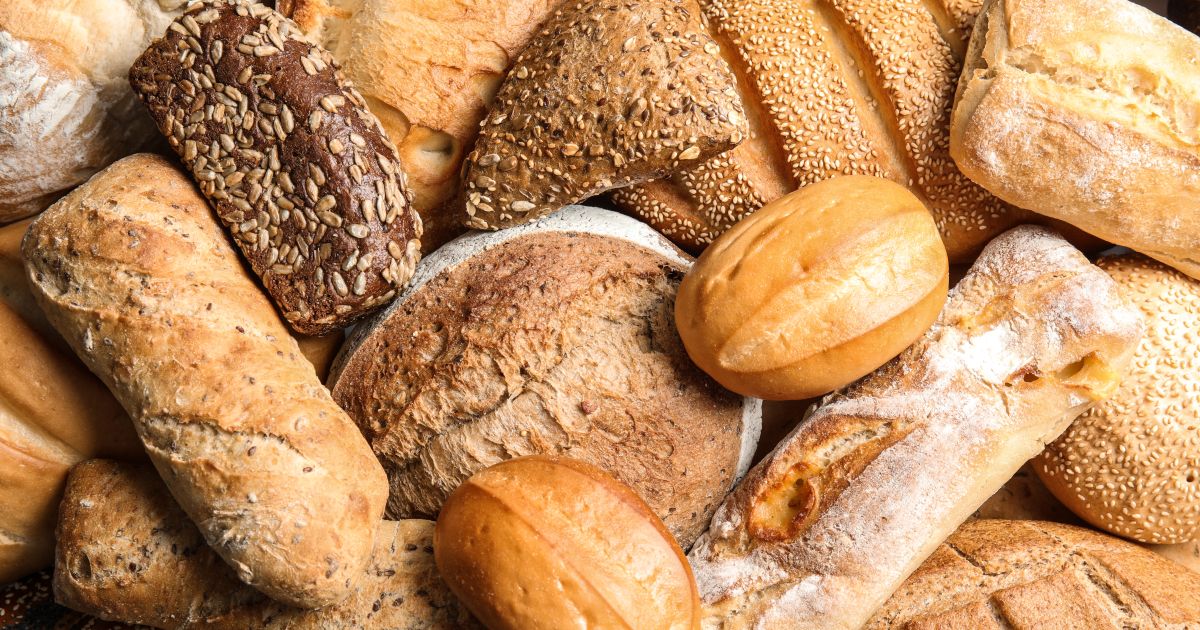
Variety allows creative menu innovation. A rotating bread lineup—think rustic volkorn, sesame-tlecked loaves, or herb-flecked focaccias—opens opportunities for seasonal pairings, chef-driven specials, and cross-category promotions (bread-friendly wine pairings, for example).
-
Quality breads elevate even simple dishes. A simple bowl of soup, a salad, or a sandwich can reach new levels of satisfaction when the bread itself provides aroma, structure, and a well-balanced crumb. High-quality bread acts as a flavor anchor, enhancing perceived value and guest delight.
Nino’s Role in the Trend
-
Offers ciabatta, focaccia, and more for modern menus. Nino’s daily production emphasizes classic Italian-style breads alongside modern variations, enabling restaurants to build a bread-forward program without sacrificing consistency or supply reliability.
-
Supports restaurants with reliable wholesale supply. Our wholesale service is designed for high-volume operations, offering predictable lead times, scalable production, and uniform quality—from deli counters to banquet menus.
-
Delivers the artisan quality diners demand. From dough preparation to finished crust, Nino’s emphasizes time-tested recipes and premium, unbromated flours to deliver texture, aroma, and flavor that can be reproduced day after day in busy kitchens.
Conclusion
Artisan bread is redefining restaurant dining, and Nino’s is at the forefront of that movement. By pairing authenticity with reliability, we empower operators to differentiate their menus, elevate guest experiences, and tell compelling bread-centered stories. If you’re ready to join the trend, explore how a robust wholesale program can anchor your bread strategy and support consistent quality across all service tiers. Wholesale Services can be your next step, while industry insights from trusted sources like Food & Wine Artisan Bread Trends offer broader context on how market dynamics are shaping bread utilization in dining rooms nationwide.
Introduction
Learn why artisan bread, like Nino’s, is shaping the future of restaurant dining with quality and authenticity. Meta Description: Discover why artisan bread is the future of dining. See how Nino’s leads the trend with quality loaves!
Rising Demand for Authenticity
Diners crave handcrafted, authentic breads.
In today’s dining culture, guests seek more than a familiar menu item; they want a tangible sense of craft behind what lands on their plates. Artisan breads deliver that craft through every toothy crust, deeply flavored crumb, and aroma that lingers long after the plate is cleared. Diners are drawn to loaves that reveal the baker’s hand—slow fermentation, careful shaping, and a respect for traditional techniques. This isn’t nostalgia for nostalgia’s sake; it’s a genuine culinary preference for textures, flavors, and stories that come from small-batch, skillful production. When a restaurant plates a loaf with evident care, it signals a commitment to quality across the menu and creates a memorable dining moment that guests remember long after the check is paid.
Artisan loaves align with farm-to-table trends.
Artisan bread sits naturally within farm-to-table narratives. The emphasis on natural leavening, longer fermentation, and premium ingredients often aligns with local sourcing and transparent provenance. Shorter supply chains, fewer processing steps, and attention to flour origin—whether it comes from local mills or regional farmers—translate into richer flavor and a cleaner ingredient statement on the plate. Restaurants can communicate these stories to guests, reinforcing a menu’s authenticity and sustainability while still delivering reliable, high-volume performance in a fast-paced kitchen. The bread becomes a living example of the restaurant’s values in every slice.
Italian-style breads resonate with foodie culture.
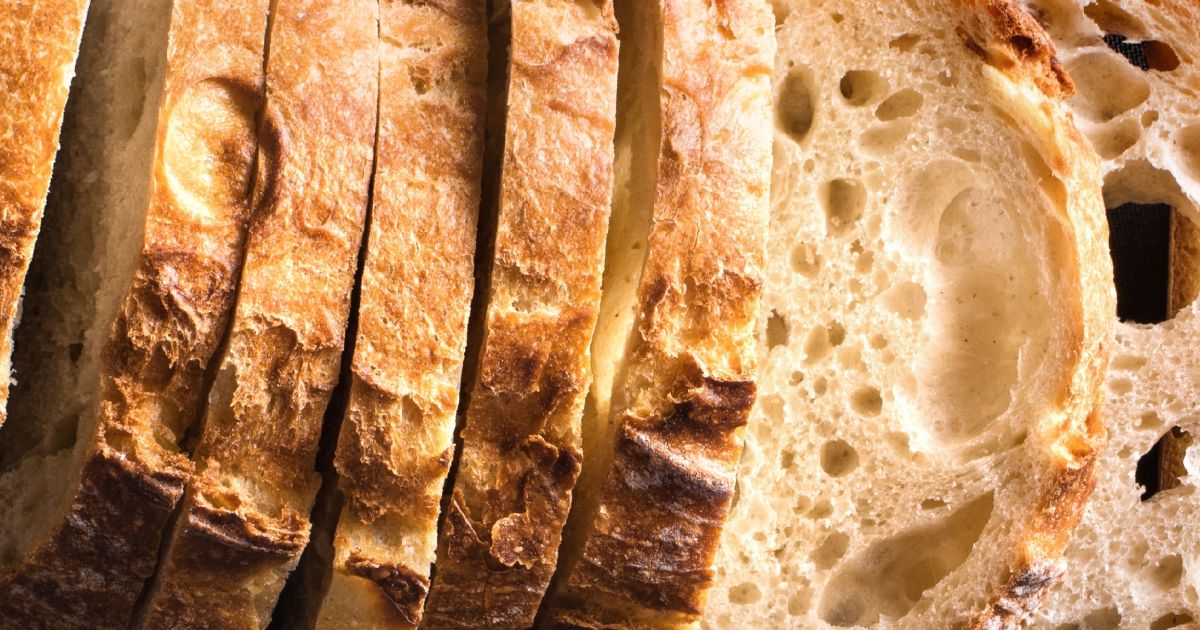
Italian favorites such as ciabatta, focaccia, and pane di casa have evolved from regional staples to versatile menu anchors. Their open, airy crumb, crisp crust, and olive oil sheen invite dipping, mopping, and pairing with a broad range of dishes—from antipasti to panini. In contemporary menus, these breads serve as both flavor vehicles and textural elements that enhance sauces, salads, and proteins. The familiarity of Italian-style loaves combined with modern culinary ideas creates a bridge between heritage and innovation, appealing to both traditionalists and adventurous diners.
Enhancing Menu Differentiation
Unique breads set restaurants apart from competitors.
In a crowded market, a bakery program that offers distinctive breads can become a restaurant’s edible signature. A house ciabatta that carries a signature crumb and crust or a house-made focaccia with unique toppings signals culinary ambition and care. When guests encounter a loaf that feels exclusive to a concept—yet reliable in performance—this differentiation translates into stronger brand recall, higher perceived value, and more cohesive menu storytelling. The bread itself becomes part of the restaurant’s concept, not merely a constant accompaniment.
Variety allows creative menu innovation.
A pantry of artisan breads unlocks a wealth of menu ideas. Bread bowls for soups or chowders, crostini and bruschetta for shared plates, or specialty loaf-based bases for signature sandwiches expand the chef’s toolkit. Seasonal or regional variations—herb-tlecked focaccia in spring, olive-studded ciabatta in summer—provide opportunities to refresh offerings without overhauling core recipes. This versatility supports creative plating, sustainable waste management, and a more dynamic dining experience across meals and occasions.
Quality breads elevate even simple dishes.
When bread is crafted with care, it elevates the entire dish it accompanies. A crisp-edged slice can brighten a simple salad, while a well-fermented crumb balances acidity in soups and sauces. Aroma and texture guide palate expectations and enhance perceived value, encouraging guests to linger and savor. In practical terms, high-quality artisan breads also deliver consistent performance in busy kitchens: predictable bake times, reliable dough handling, and repeatable results that support smooth service during peak hours.
Nino’s Role in the Trend
Offers ciabatta, focaccia, and more for modern menus.
Nino’s maintains a core lineup of Italian breads—ciabatta, focaccia, and more—that align with today’s diverse menus. Each loaf is crafted with time-tested methods, premium ingredients, and careful attention to crust and crumb. The bakery’s use of unbromated flours and daily freshness supports contemporary kitchens that demand flavor-forward breads capable of standing up to sauces, toppings, and charred preparations. For modern concepts, these breads provide dependable building blocks with a premium edge.
Supports restaurants with reliable wholesale supply.
Behind the scenes, reliability is the cornerstone of a successful bakery partnership. Nino’s wholesale program emphasizes consistent product quality, precise lead times, and packaging designed for high-volume kitchens. Daily bakes and scalable production ensure steady inventory even during busy service periods. For operators, this translates into fewer stockouts, smoother menu execution, and predictable costs—allowing chefs and managers to plan ambitious menus without sacrificing service speed or quality.
Delivers the artisan quality diners demand.
Quality at scale is possible when traditional craft meets modern operations. Nino’s combines time-tested recipes, rigorous ingredient standards, and disciplined process control to deliver loaves that taste and perform like genuine artisan products, even in a bustling kitchen. The crust crackles just right, the crumb maintains its structure under toppings, and the aroma supports the overall dining experience. This balance of authenticity and reliability helps restaurants present an elevated bread course that resonates with discerning diners while delivering consistent kitchen results during high-volume service.
Conclusion
Artisan bread is redefining restaurant dining, and Nino’s is at the forefront. Join the trend with our breads! Wholesale Services Food & Wine Artisan Bread Trends
Introduction
Learn why artisan bread, like Nino’s, is shaping the future of restaurant dining with quality and authenticity. [Meta Description: Discover why artisan bread is the future of dining. See how Nino’s leads the trend with quality loaves!]
Today’s diners crave more than a meal; they seek a narrative they can taste. Artisan bread is at the heart of that narrative, offering texture, aroma, and character that tell a story of craft, local sourcing, and time-honored techniques. Nino’s Bakery, rooted in West Long Branch, New Jersey, brings that craft to both dine-in and delivery-forward dining programs. By baking in small to mid-scale batches with premium flours and traditional methods, Nino’s creates breads that stand up to modern menus while retaining the warmth and reliability that teams across the dining room rely on. This conclusion explores why this craft-forward approach matters for the future of dining and how operators can partner with a trusted artisan bakery to differentiate their offerings while delivering consistent quality at scale.
Rising Demand for Authenticity
Diners crave handcrafted, authentic breads.
Across generations, guests are drawn to breads that feel tangible and real — crust that crackles, crumb with depth, and flavors that reflect a careful balance of flour, salt, water, and time. This desire isn’t about nostalgia alone; it’s about experiencing a product that has been shaped by hands and tested by time. When a restaurant serves a loaf that reflects an actual baker’s craft, it reinforces perceived quality and care across the entire plate, boosting confidence from the first bite through the finish.
Artisan loaves align with farm-to-table trends.
Farm-to-table has evolved from a buzzword into a standard of accountability. Guests expect menus to tell a story of ingredients and methods. Artisan breads, made with premium, often locally sourced grains and unbromated flours, embody that narrative. They connect a dish to seasonality, to the land, and to the baker’s daily craft. When restaurants highlight bread provenance and baking processes, they elevate the entire dining experience and deepen guest engagement with the menu.
Italian-style breads resonate with foodie culture.
Italian-inspired loaves such as ciabatta and focaccia offer familiar yet elevated flavor profiles that pair beautifully with contemporary menus. Their versatility supports everything from bruschetta and panini to tapas-style courses and shareable plates. As foodie culture gravitates toward expressive textures and aromatic, olive-oil-scented crusts, these breads become signature elements on menus, enabling restaurants to craft distinct dining experiences without overhauling core offerings.
Nino’s Role in the Trend
Offers ciabatta, focaccia, and more for modern menus.
Nino’s portfolio includes ciabatta, focaccia, crusty bastones, sandwich rolls, and specialty loaves designed to fit contemporary restaurant formats. Whether building a modern Italian-inspired menu or pairing with global flavors, these breads provide dependable texture, aroma, and flavor that chefs can lean on as they craft signature dishes. The breadth of offerings supports a range of service styles, from casual lunch spots to upscale dinner programs.
Supports restaurants with reliable wholesale supply.
Consistency matters in high-volume settings. Nino’s wholesale program is built to deliver dependable product quality and a steady supply, with flexible scheduling and scalable production. This reliability reduces the operational friction that can disrupt service, enabling kitchens to plan menus with confidence and maintain high standards across peak periods and busy events.
Delivers the artisan quality diners demand.
Every loaf from Nino’s is crafted with time-honored techniques and premium, unbromated flours, ensuring a crust that sings and a crumb that carries flavor. This commitment to authenticity translates into consistent, crave-worthy results that can elevate a restaurant’s bread program from a functional staple to a defining component of the dining experience. The combination of tradition and scale keeps menus aligned with customer expectations for true artisan quality.
Conclusion
Artisan bread is redefining restaurant dining, and Nino’s is at the forefront. By embracing authentic, handcrafted loaves, restaurants can differentiate their concepts, enhance menu storytelling, and deliver a more memorable guest experience. The bread on the table becomes a dialogue between the chef, the baker, and the diners — a conversation about quality, craft, and place. For operators ready to elevate their bread program, partnering with a trusted artisan bakery offers a scalable path to consistency without sacrificing character.
Join the trend with our breads and see how a well-curated bread program can transform your offerings. Explore our wholesale options to match your service model and volume needs by visiting Wholesale Services. To gain broader context on market movements, you can also explore industry perspectives on artisan bread trends at Food & Wine: Artisan Bread Trends.
For a deeper dive into Nino’s philosophy and capabilities, learn more about our story and capabilities on our site, including our about-us page and catalog offerings. About Nino’s and Our Catalog provide additional context for how we support kitchens that value quality and consistency.