
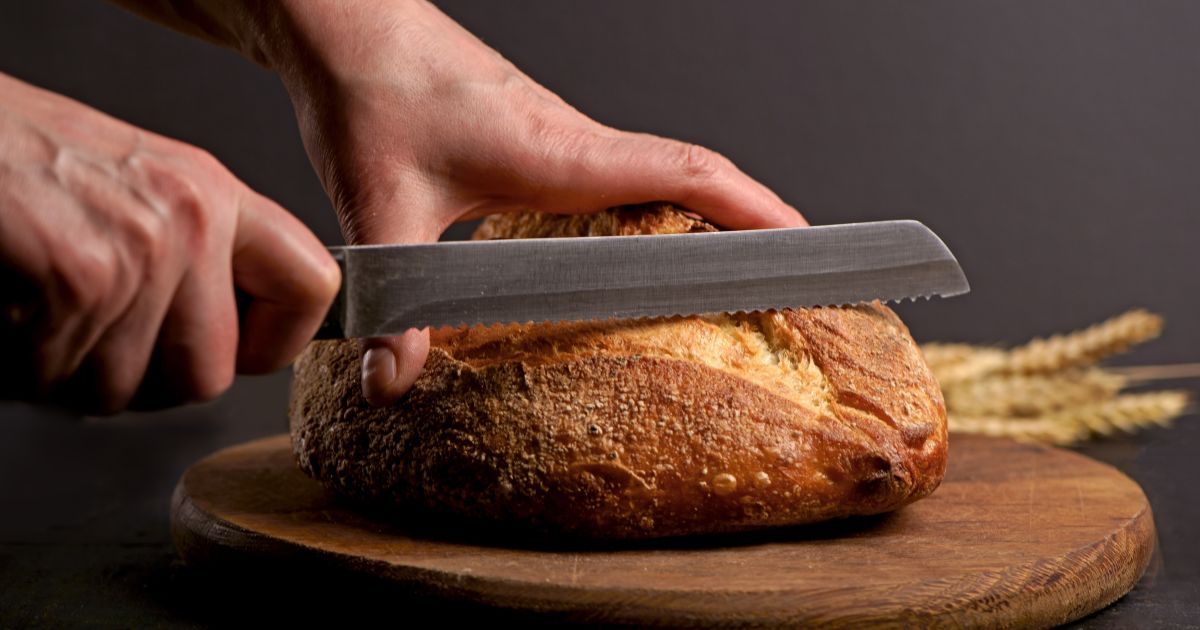
How to Pair Nino’s Bread with Your Restaurant Menu
Learn how to pair Nino’s artisan breads with your restaurant’s dishes to elevate flavors and delight diners. Meta description: Pair Nino’s artisan breads with your menu for unforgettable dining. Get tips for Italian, vegan, and seafood dishes!
Italian Classics Made Better
Italian cuisine is defined by balance—the way texture, aroma, and acidity work together to lift a dish from good to memorable. Nino’s breads bring crust, character, and a whisper of tang to every plate, serving as both a foundation and a flavor amplifier. In practice, the right bread pairing can transform antipasti, pastas, and panini into cohesive courses where every bite echoes the same culinary language. The goal is to pair bread that complements the dish’s richness without dominating it, while also offering diners a familiar, comforting touch that elevates the overall experience.
Ciabatta and antipasti
Ciabatta’s open crumb and light chew make it ideal for olive oil dips and antipasti platters. When you serve ciabatta with a drizzle of fragrant extra-virgin olive oil, a splash of balsamic, and a handful of marinated vegetables or cured olives, you create a first impression that feels rustic yet refined. The bread’s porous texture soaks up the oil and vinegar, creating a canvas that carries the brightness of the antipasti without masking it. For a deli or casual dining context, a crostini-style presentation using slices of ciabatta can also showcase herbaceous spreads, roasted peppers, or white bean purées, guiding diners toward a shared understanding of your menu’s Italian roots.
Focaccia and creamy pasta
Focaccia’s olive oil–driven crumb and herby crust offer a rich counterpoint to creamy pasta dishes. A simple rosemary focaccia can introduce a plate of carbonara, mushroom cream sauce, or a silky primavera with a subtle herbaceous lift. The bread’s moist crumb and crisp edge create textural contrast with a glossy sauce, enhancing mouthfeel and providing a natural conduit for flavors like garlic, lemon, and roasted garlic oil. When you serve focaccia alongside a creamy entrée, you invite guests to enjoy a shared bite that harmonizes richness with brightness, allowing the sauce to cling to the bread for a unified bite rather than pooling separately on the plate.
Sourdough and hearty Italian sandwiches
Our sourdough adds complexity with a gentle tang and a sturdy crumb that stands up to hearty fillings. For Italian-inspired sandwiches—think mortadella with provolone, roasted peppers, and a touch of olive oil—the crusty exterior and chewy interior resist sogginess while delivering a clean, lingering finish. Sourdough’s natural acidity can also brighten components like tomato conserva or sharper cheeses, helping the sandwich feel balanced rather than heavy. In a fast-casual setting, this pairing translates into consistency: a reliable texture that remains flavorful from open kitchen to table, even as orders scale up. If you’re building a sandwich program, consider rotating fillings seasonally to keep sourdough’s compatibility fresh and exciting.
Vegan and Plant-Based Pairings
Plant-based menus are rising, and bread plays a crucial role in adding savor, texture, and visual appeal without relying on animal products. Nino’s crusty and wholesome loaves offer strength and character that pair beautifully with vegan spreads, soups, and charcuterie-inspired boards. The aim is to provide contrasts—crisp crusts against creamy plant-based toppings, or dense loaves alongside bright broths—so that every bite cycles through a satisfying spectrum of flavors. When designed thoughtfully, bread becomes a star on a vegan menu rather than a mere accompaniment. It also presents opportunities to tell a narrative about local sourcing, traditional methods, and the integrity of your kitchen sourcing and technique.
Bastone with vegan spreads
Crusty bastone is ideal for tapping into vegan spreads, from olive tapenade and sun-dried tomato confit to almond ricotta and herb–garlic cashew blends. A crusty, long loaf provides an inviting handle for dipping and scooping, while its sturdy crumb supports generous portions of spread without tearing. The pairing works particularly well as a first course or a shareable appetizer, allowing guests to customize their bites. For service, consider a small bread basket with a trio of spreads, letting diners mix and match as they begin their meal. This approach also reveals the bread’s versatility across a spectrum of plant-based flavors, from briny to vegetal to nutty notes.
Whole-grain rolls with vegetable soups
Whole-grain rolls bring nutty depth that complements vegetable-forward soups and stews. Their denser crumb holds up to chunky vegetables, grains, and bean purées, while their earthiness adds resonance to lighter broths. When paired with a creamy carrot-ginger soup, a rosemary or sesame-tlecked whole-grain roll can offer a satisfying counterpoint to the soup’s sweetness and spice. For a seasonal touch, finish the plate with a light brushing of olive oil and a sprinkling of flaky salt to enhance aroma and mouthfeel. This pairing also highlights the importance of texture variety in a vegan program, ensuring diners enjoy a robust experience from first bite to last spoonful.
Artisan loaves in plant-based charcuterie boards
Plant-based charcuterie boards have gained traction as a shareable, photogenic option. Artisan loaves—especially crusty boules and rustic batards—provide structural variety and ample space for toppings like marinated mushrooms, roasted peppers, pickled vegetables, and nut-based pâtés. A board built around bread varieties invites guests to explore contrasts in texture, flavor, and aroma, while the bread acts as a flexible vehicle to showcase a range of plant-based flavors. When presenting boards, arrange slices of artisan loaves with a spread of dips and slices of fresh, seasonal produce so guests can curate their own bites with balance and intention.
Seafood Menu Enhancements
The natural sweetness and brine of seafood pairings with bread are a classic for a reason: bread can temper oceanic savor while enhancing the dish’s freshness and aroma. The texture of each bread type matters here, as does its ability to carry bold herbs, citrus, and seafood sauces without overwhelming the main ingredient. Thoughtful bread pairings help diners recognize the seafood’s nuances—whether it’s a delicate fillet, a smoky char, or a creamy chowder—while giving the kitchen an efficient, scalable way to deliver quality across service periods. As with Italian and vegan pairings, the best combinations respect balance, texture, and the tempo of your kitchen operations.
Rosemary focaccia and grilled fish
Rosemary focaccia brings herbal brightness and a soft, honeyed crumb that complements grilled fish without overpowering it. A slice of focaccia can act as both a plate for a fish filet and a carrier for citrus beurre blanc or a light herb oil. Its robust but gentle flavor helps bridge the gap between the seafood’s sweetness and the plate’s acidity, providing a familiar yet elevated dining experience. For service, consider toasting the focaccia lightly so the crust remains crisp while the interior stays tender, creating a pleasing contrast with the tender fish and a bright finishing sauce.
Soft rolls with seafood chowders
Soft rolls are the comforting counterpart to hearty seafood chowders. Their pillowy crumb welcomes the creamy base, offering a gentle counterpoint to the chowder’s richness. When served with a seafood chowder, a warm roll can be torn into pieces for dipping, extending the meal and encouraging lingering, communal enjoyment. The roll’s mild flavor ensures the chowder’s herbs and seafood notes stay front and center, while the steam and aroma stimulate anticipation for the next spoonful. For a luxe yet approachable presentation, pre-cut the rolls and place a small plate of softened butter or herb oil nearby for quick dipping.
Ciabatta for seafood sandwiches with zesty sauces
Ciabatta’s sturdy structure and open crumb are excellent for seafood sandwiches that feature zesty sauces—think lemon-tarragon aioli, chipotle-citrus mayo, or balsamic reduction. The bread holds up under generous fillings, absorbs seasonal sauces without collapsing, and provides a satisfying bite that resonates with the dish’s bright finish. This pairing works particularly well for casual lunch menus or coastal-inspired offerings where the sandwich format offers speed and consistency during peak hours. When building these sandwiches, consider a light touch of herb oil or a crisp slaw to add texture and color without muddying the flavors.
Conclusion
Nino’s artisan breads elevate every menu, from Italian to vegan to seafood. By aligning texture, aroma, and regional flavor with your dishes, you create pairings that feel intentional and refined. Start experimenting with a small, focused sampler to discover which loaf best amplifies each dish, and then scale your program with confidence. To explore our full range and begin testing pairings, order a sample from Our Breads and invite your culinary team to taste the possibilities. For more context on our philosophy and production, you can also visit our team and process or browse the broader product offerings on our site.
Learn how to pair Nino’s artisan breads with your restaurant’s dishes to enhance flavors and impress diners. Meta Description: Pair Nino’s artisan breads with your menu for unforgettable dining. Get tips for Italian, vegan, and seafood dishes!
Italian Classics Made Better
Italian cuisine treats bread as a partner in flavor, not merely a side. Nino’s ciabatta, focaccia, and sourdough each bring a distinct character to the table that can elevate antipasti, pasta, and sandwiches when used thoughtfully. The goal is to let the bread carry a small share of the spotlight—enriching sauces, complementing creamy textures, and offering a textural counterpoint that heightens the entire plate. Our ciabatta’s open crumb and gentle tang, for example, invite olive oil dips to bloom, while focaccia’s olive oil sheen can balance the richness of creamy pasta sauces. Sourdough’s robustness stands up to hearty fillings without getting overwhelmed by strong cheeses or braised meats. Implementing these pairings consistently helps diners perceive a cohesive Italian experience from starter to bite-sized finish.
- Serve ciabatta with olive oil dips for authentic antipasti.
- Pair focaccia with creamy pasta dishes for rich contrast.
- Use sourdough for hearty Italian sandwiches.
Practical execution in your kitchen
For antipasti courses, offer ciabatta slices warm from the oven alongside a trio of olive oil-based dips (extra virgin olive oil with a hint of lemon, a garlic-infused oil, and a herb-touched oil). Present the bread on a board with a light sprinkle of sea salt and a small ramekin of dipping oil to encourage guests to explore. This sets the tone for a shared, appetizer-driven dining experience.
With creamy pasta dishes, place a warm, chunky slice of focaccia on the side, making sure the bread remains slightly crisp at the edges. The goal is to provide a vehicle that captures a touch of sauce on every bite, creating contrast with the pasta’s silkiness. Consider finishing the plate with a light drizzle of olive oil and a delicate grating of Parmigiano or a shred of fresh herbs to tie the flavors together.
For Italian sandwiches, choose sourdough as the sturdy base. Its tang adds depth to fillings like roasted pork, marinated vegetables, or sharp cheeses, while its crumb supports abundant sauces without becoming soggy. Toast the slices lightly to enhance aroma and texture, and offer a crisp cut of bread that holds up under generous fillings.
Vegan and Plant-Based Pairings
Plant-based menus deserve bread that supports bold, dairy-free profiles while letting the ingredients shine. Nino’s crusty bastone, whole-grain rolls, and artisan loaves are well-suited to vegan spreads, vegetable-forward soups, and plant-based charcuterie boards. The textures—from crusty to creamy to chewy—help create a balanced plate where the bread acts as a canvas for flavors like olive tapenade, hummus, roasted vegetables, and nut-based cheeses. The goal is to offer familiar, satisfying options that comfort guests while remaining firmly vegan-friendly, so you can scale your offerings without compromising taste or consistency.
- Offer crusty bastone with vegan spreads for appetizers.
- Combine whole-grain rolls with vegetable soups.
- Highlight artisan loaves in plant-based charcuterie boards.
Practical execution in your kitchen
For appetizers, set out bastone alongside a trio of vegan spreads—think roasted red pepper and almond, olive tapenade, and cucumber-dill cashew cream. Slice bastone lengthwise and drizzle with a touch of olive oil to showcase texture and aroma, inviting guests to build their own bites.
When pairing with vegetable soups, offer whole-grain rolls alongside a warm bowl. The grainy crumb adds body to thinner broths, and the robust flavor stands up to root-vegetable-based soups or miso-infused broths. Consider serving small wedges of bread with a spoon for guests to dip and savor the mouthfeel differences between the bread and the soup.
In plant-based charcuterie boards, place sliced artisan loaves next to marinated vegetables, nut cheeses, and seed-based pâtés. The loaf’s sweetness and texture help balance ultra-savory or tangy components, while its substantial bite provides a satisfying contrast to creamy plant-based spreads.
Seafood Menu Enhancements
Seafood and bread form a classic pairing in many regional kitchens. Nino’s rosemary focaccia, soft rolls, and ciabatta offer sturdy, flavorful options that complement delicate fish, shellfish, and seafood chowders. The rosemary notes in focaccia pair with grilled fish beautifully, while soft rolls provide comforting texture for chowders or creamy seafood stews. Ciabatta, with its open crumb and chewy bite, creates ideal sandwiches that hold up to zesty sauces and generous fillings. Thoughtful bread pairing can elevate seafood dishes by providing a flavorful bridge that accents seafood without masking its natural layers.
- Pair rosemary focaccia with grilled fish for bold flavor.
- Serve soft rolls with seafood chowders for comfort.
- Use ciabatta for seafood sandwiches with zesty sauces.
Practical execution in your kitchen
When serving grilled fillets, present a wedge of rosemary focaccia brushed with olive oil and a touch of sea salt on the side. The herbaceous aroma enhances the fish’s brightness and helps diners appreciate subtle citrus or herbaceous sauces without overpowering the dish. For chowders or creamy seafood stews, offer soft rolls that soak up the soup’s richness, ensuring guests experience every bit of flavor in the broth. For seafood sandwiches—think shrimp po'boys or lobster rolls—use ciabatta as the foundation, then slather a zesty sauce (lemon-dill or a light chili aioli) to brighten the sandwich and create contrast with the seafood’s sweetness.
Nino’s breads are designed to perform at scale—consistent crust, crumb, and aroma across thousands of portions. By pairing thoughtfully with seafood preparations, you can deliver a cohesive dining experience where bread and seafood complement rather than compete with each other.
Conclusion
Nino’s artisan breads elevate every menu, from Italian to vegan to seafood. Each loaf brings texture, aroma, and regional character that can elevate your dish beyond expectation. Begin with a small, curated sample program to identify the best pairings for your kitchen and guest profile, then expand as you refine your service flow. Ready to start testing? Order a sample from Our Breads and discover how these breads can transform your menu today.
Introduction
Learn how to pair Nino’s artisan breads with your restaurant’s dishes to enhance flavors and impress diners. Meta Description: Pair Nino’s artisan breads with your menu for unforgettable dining. Get tips for Italian, vegan, and seafood dishes!
Italian Classics Made Better
Nino’s breads are rooted in traditional technique and studded with the flavors of Italian heritage. When you pair these crusty, fragrant loaves with your menu, you unlock a new level of texture, aroma, and balance that can elevate an entire course. The key is to use the bread as a bridge—between antipasti and pasta, between sauce and bite, between dining room energy and kitchen precision. Each loaf has its own personality: ciabatta’s open crumb and chew invites confident dipping; focaccia’s olive oil–kissed crust adds aroma and richness; sourdough’s tang provides backbone for hearty sandwiches. Used thoughtfully, these breads amplify the intended flavor profile of your dishes rather than competing with them. Below are practical pairings that align with Italian classics while highlighting the bread’s innate strengths.
Ciabatta with olive oil dips for authentic antipasti
Ciabatta’s porous crumb makes it the perfect vehicle for olive oil blends and modest accompaniments. For an antipasti platter, offer a trio of dipping oils: a bright lemon–herb oil, a peppery chili–garlic oil, and a classic extra-virgin olive oil with a splash of aged balsamic. The goal is to create a palette of textures and flavors that guests can explore with each bite. Slice ciabatta into generous, rustic portions and present with small bowls for dipping. The airiness of the loaf keeps the oil amounts comfortable while allowing guests to experience the crumb’s chew and the crust’s crackle with every dip. This pairing also gives your kitchen opportunities to showcase seasonal antipasti—roasted peppers, marinated olives, sharp cheeses, and herbaceous tapenades—without a heavy lift on prep time.
- Pair with olive oil dips that vary in acidity and heat to encourage guest interaction.
- Offer a light herb sprinkle (oregano, thyme, or marjoram) on the warm crust for aroma.
- Use ciabatta slices as a baseline for a customizable antipasti board.
Focaccia with creamy pasta dishes for rich contrast
Focaccia’s olive oil richness and herb-forward aroma offer a luxurious counterpoint to creamy or velvety pasta sauces. For dishes like alfredo, light tomato cream, or mushroom ragù, a sheet of warm focaccia brushed with olive oil and a dusting of sea salt can act as a flavor bridge—smoothing the transition from sauce to bite and enhancing the perceived creaminess without adding extra heaviness. If your menu features a braised veggie or mushroom-based pasta, focaccia can soak up the sauce’s last whispers of silk while still delivering a robust mouthfeel. Consider toasting focaccia just enough to re-crisp the crust after it’s plated, then finish with a drizzle of top-tier extra-virgin olive oil and a pinch of flaky salt for a bright finish.
- Serve warm focaccia alongside creamy, rich pastas to balance fat with texture.
- Offer a light, herbaceous dipping oil to harmonize flavors without overpowering the dish.
- Use focaccia as a bread component in flat “pasta al forno” style presentations for a rustic touch.
Use sourdough for hearty Italian sandwiches
Sourdough’s tangy crumb provides a bold backbone that supports robust fillings, including slow-roasted meats, peppery salami, and grilled vegetables. For a deli-style sandwich program or a chef-driven panino list, start with a thick-cut sourdough that can handle generous fillings without becoming soggy. The crisp crust delivers a satisfying crunch on the first bite while the crumb yields a chewy, satisfying interior. Pair sourdough-based sandwiches with simple, high-quality components: roasted peppers, marinated artichokes, sharp pecorino, and herby arugula. This approach keeps the focus on the bread’s character while allowing your fillings to shine.
- Choose fillings with good acidity (tomato, pickled vegetables) to echo the sourdough tang.
- Toast the bread lightly to amplify crust and aroma before assembly.
- Offer a small sauce on the side to customize spice or moisture per guest
Vegan and Plant-Based Pairings
Plant-based menus benefit greatly from Nino’s breads, which provide texture, protein frameworks for spreads, and a canvas for colorful toppings. The breads’ crusts—whether bastone’s crusty exterior or whole-grain’s rustic crumb—offer a satisfying bite that complements plant-forward dishes without relying on dairy or eggs for indulgence. Use the following pairings to craft vegan-friendly plates, starters, and boards that feel intentionally crafted rather than improvisational.
Crusty bastone with vegan spreads for appetizers
Bastone’s pronounced crust and even interior make it ideal for scooping and spreading. Create a trio of vegan spreads that range in flavor intensity: a sun-drove olive tapenade, a roasted red pepper cashew spread, and a lemon–garlic white bean dip. Present bastone warm or toasted to bring out its aroma, then offer small tasting salads or pickled vegetables on the side for contrast. This pairing is friendly to both gluten-aware guests and those seeking bold, plant-based flavors. It’s also a scalable option for large events—bread service becomes an easy, elegant anchor for appetizers or end-of-service grazing.
- Highlight bright, dairy-free spreads that celebrate fresh herbs and citrus.
- Offer small dipping bowls with a light oil drizzle to elevate the experience.
- Pair with a crisp white or sparkling beverage to cleanse the palate between bites.
Combine whole-grain rolls with vegetable soups
Whole-grain rolls bring a hearty texture that stands up to chunky vegetable soups, miso-based broths, or creamy purées. The nuttiness of the grain complements root vegetables, legumes, and roasted vegetables, creating a satisfying meal that remains wholly plant-based. For service, present rolls warm with a thin layer of olive oil or a plant-based butter, and offer a few soup options such as roasted carrot–ginger, tomato basil, or mushroom barley. The result is a comforting, filling option that remains light on the plate while delivering depth of flavor and a sense of home-style cuisine.
- Pair with soups that feature roasted vegetables, legumes, or tomatoes for best harmony.
- Serve with a light olive oil and herb drizzle for an added aroma boost.
- Consider a daily soup special to showcase seasonal produce alongside the bread.
Highlight artisan loaves in plant-based charcuterie boards
Artisan loaves—especially those with varied textures and seeds—make an excellent centerpiece for plant-based charcuterie boards. Build boards featuring marinated olives, roasted nuts, pickled vegetables, and plant-based cheeses or spreads. Slice loaves to expose different crumb textures and pair with robust anti-pasti that provide contrast in acidity and fat. The bread acts as a unifier for the board, tying together disparate elements into a cohesive experience while offering guests a second, toasty vessel for sampling artisan flavors.
- Arrange boards with a mix of seeds, grains, and herbs for visual and flavor variety.
- Include a mix of soft spreads and firmer toppings to showcase bread versatility.
- Label components for easy guest navigation and cross-pairing ideas.
Seafood Menu Enhancements
Seafood dishes reward with brightness, acidity, and careful textural balance. Nino’s breads provide the ideal counterpoint—earthy, toasty, and capable of carrying delicate sauces or bold citrus notes without overpowering the seafood’s natural sweetness. The crusts offer crunch and aroma, while the crumb can soak up sauces without disintegrating. Use these pairings to enhance your seafood program from starter to sandwich, ensuring every bite resonates with harmony and confidence.
Pair rosemary focaccia with grilled fish for bold flavor
Rosemary focaccia brings an herbal lift that complements grilled or roasted fish beautifully. Its oil-rich crumb acts as a natural foil for lemony butter, white wine reductions, or garlicky herb sauces. Serve warm slices alongside a simply prepared fillet—seasoned with salt, pepper, and a squeeze of lemon—and provide a small dish of olive oil for brushing. The result is a refined, rustic dining moment where bread and fish play off each other rather than compete for attention.
- Use fennel fronds, capers, or parsley to echo Mediterranean flavor notes.
- Offer a light, citrus-based sauce to brighten the plate.
- Toast just before service to maximize aroma and texture.
Serve soft rolls with seafood chowders for comfort
Seafood chowders benefit from a soft, tender roll that absorbs creaminess while maintaining a gentle bite. Choose a sandwich-style roll or a light dinner roll to accompany the chowder—an option that invites dipping and savoring. Lightly butter or olive-oil toast the rolls to add a touch of richness and color that contrasts with the chowder’s velvety texture. This pairing elevates a comforting classic into a restaurant-ready experience that remains approachable and satisfying for all guests.
- Offer mini bowls or ramekins of chowder for a shareable experience.
- Provide a citrus accent (lemon wedge or zest) to brighten the seafood flavors.
- Kept portions moderate to allow the bread and chowder flavors to breathe.
Use ciabatta for seafood sandwiches with zesty sauces
Ciabatta’s sturdy structure and open crumb are ideal for seafood-filled sandwiches with zesty sauces such as lemon-tarragon mayo, chili aioli, or herb-tsunami vinaigrettes. The bread’s texture holds up to juicy fillings—grilled shrimp, crab salad, or seared scallops—without becoming soggy. Present a few variations: a ciabatta-based sandwich with citrus-herb mayo and fennel slaw, or a hot version with grilled fish, avocado, and a crisp slaw. These options let diners savor the seafood’s delicate flavors while enjoying the bread’s crunch and aroma as a second highlight of the dish.
- Balance sauces with citrus brightness to avoid masking seafood notes.
- Layer textures with crunchy slaws and creamy, dairy-free spreads.
- Offer a light, refreshing beverage that complements citrus-forward profiles.
Conclusion
Nino’s artisan breads elevate every menu, from Italian to vegan to seafood. Their versatility makes them a strategic asset for operators seeking consistent quality, memorable flavor pairings, and scalable service. By aligning bread choices with dish profiles—whether it’s the rustic warmth of sourdough with hearty sandwiches, the vibrant brightness of vegan spreads on bastone, or the crisp, sea-bright notes of seafood dishes—you can craft a menu that feels cohesive, premium, and unmistakably Nino’s. Ready to explore how these breads can transform your kitchen? Consider requesting a sample to discover the perfect pairings for your restaurant. Our Breads
Introduction
Learn how to pair Nino’s artisan breads with your restaurant’s dishes to enhance flavors and impress diners. [Meta Description: Pair Nino’s artisan breads with your menu for unforgettable dining. Get tips for Italian, vegan, and seafood dishes!]
When you design a menu with bread at the center, you unlock an opportunity to elevate textures, aroma, and balance. Nino’s breads—crafted with time-tested recipes and premium unbromated flours—bring crust, aroma, and structure that can transform a dish from good to memorable. This conclusion offers practical, chef-friendly pairings organized around three core menu themes: Italian classics, vegan and plant-based options, and seafood dishes. By understanding how each bread’s character interacts with sauces, fillings, and broths, you can create harmony that resonates with guests and keeps them coming back for more. If you’re exploring the possibilities, consider starting with a sample to feel the differences firsthand and to taste how the crust, crumb, and aroma interact with your preparations. For a direct look at our offerings, you can browse our catalog at the link below.
Italian Classics Made Better
Italian cuisine thrives on simple, bold flavors, and bread acts as both a companion and a flavor vehicle. Nino’s ciabatta, focaccia, and sourdough each bring a distinct personality to Italian-inspired courses, giving you more ways to craft an authentic experience for guests. The goal is to leverage texture and contrast to highlight the dish rather than overwhelm it. Below are grounded pairings that align with classic Italian menus while introducing a touch of artisan nuance.
- Serve ciabatta with olive oil dips for authentic antipasti.
- Pair focaccia with creamy pasta dishes for rich contrast.
- Use sourdough for hearty Italian sandwiches.
In practice, ciabatta’s open, airy crumb soaks up olive oil and balsamic reductions without collapsing the sauce, making it ideal for antipasti or a light starter. Focaccia’s kiss of olive oil and herbs can cut through the richness of creamy alla panna or Alfredo-style sauces, delivering a bright counterpoint that still feels indulgent. Sourdough, with its tangy depth, stands up beautifully to robust fillings such as porchetta, roasted peppers, or marinated vegetables, ensuring each bite carries both the filling and the bread’s character. When you bake to these textures, you invite guests to linger over a bite or two more, encouraging cross-combinations from antipasti to pizza al taglio or panini that showcase the same loaf in multiple roles. For operations, these pairings also simplify menu planning by aligning batch scheduling with the needs of a high-volume kitchen while preserving the bread’s flavors and crust integrity across dozens or hundreds of portions per day. To explore our current Italian-forward selections, visit our catalog.
Vegan and Plant-Based Pairings
Plant-based menus continue to rise in popularity, and bread plays a pivotal role in delivering satisfying, crave-worthy options without compromising flavor. Nino’s crusts and loaves provide the texture backbone that vegan spreads, soups, and boards rely on to feel indulgent and complete. The pairings below emphasize versatility and visual appeal, helping you craft offerings that appeal to vegan guests as well as omnivores seeking lighter, plant-forward choices.
- Offer crusty bastone with vegan spreads for appetizers.
- Combine whole-grain rolls with vegetable soups.
- Highlight artisan loaves in plant-based charcuterie boards.
Crusty bastone serves as an ideal canvas for olive tapenade, roasted garlic spread, or roasted pepper hummus, turning simple appetizers into memorable first bites. The whole-grain rolls bring warmth and heartiness to lighter soups, such as tomato-basil or roasted vegetable consommé, while maintaining a satisfying chew that makes plant-based bowls feel substantial. Artisan loaves—especially those with denser crumb and nutty notes—become star players in vegan charcuterie boards, where they support roasted vegetables, marinated mushrooms, and seed-based pâtés with texture and visual depth. By presenting these pairings with careful portioning and plating, you create a vegan experience that satisfies the senses as thoroughly as a meat-forward alternative. For a broader look at what we offer for plant-based menus, our catalog provides an up-to-date snapshot of available loaves and sizes.
Seafood Menu Enhancements
Seafood dishes benefit from bread that accents freshness without overpowering delicate flavors. Nino’s bread varieties bring just the right balance of fragrance and substance to support seafood sauces, broths, and seafood-forward preparations. The suggested pairings below emphasize how bread can lift the dining experience when serving fish, shellfish, and seafood chowder-centric dishes.
- Pair rosemary focaccia with grilled fish for bold flavor.
- Serve soft rolls with seafood chowders for comfort.
- Use ciabatta for seafood sandwiches with zesty sauces.
Rosemary focaccia’s aromatic profile complements grilled fish with lemon, capers, or herb sauces, adding a layer of brightness that carries into the finish of the dish. Soft rolls provide a comforting, neutral companion to chowders or seafood stews, helping balance salt and creaminess while offering a familiar texture that guests expect. Ciabatta’s sturdy crust and open crumb are ideal for building seafood sandwiches—think shrimp po’boys or lobster rolls—with light, tangy sauces that cling to the bread rather than sogging it. These combinations encourage dynamic plate- and menu-building, enabling your kitchen to serve more varied courses without sacrificing quality. For featured seafood options and related bread pairings, you can explore our catalog to match what you need for your next menu refresh.
Conclusion
Nino’s artisan breads elevate every menu, from Italian to vegan to seafood. Order a sample to find the perfect pairings for your restaurant! Our Breads.