Pairing bread with a restaurant menu is more than simply adding a side dish. It’s a deliberate, flavor-forward strategy that can elevate a plate, guide guest perception, and drive repeat visits. At Nino’s Bakery, we bake daily in West Long Branch, New Jersey, with time-tested recipes and premium unbromated flours, producing artisan breads that bring texture, aroma, and a sense of place to your menu. The objective of this article is to translate that craft into practical pairing tactics—showing you how to weave Nino’s breads into your dishes so they amplify flavors, texture contrasts, and overall dining satisfaction. Meta Description: Pair Nino’s artisan breads with your menu for unforgettable dining. Get tips for Italian, vegan, and seafood dishes! This guide aims to help restaurant owners, foodservice managers, and culinary buyers understand when and how to deploy specific breads to complement a wide range of dishes, from crowd-pleasing Italian classics to modern plant-based plates and seafood preparations.
Why bread pairing matters in a modern menu
Bread is not merely a vehicle for other flavors; it is an ingredient in its own right. The crust crackle, the crumb’s tenderness, the subtle tang from natural fermentation, and the aroma that fills the dining room all contribute to the overall perception of a dish. When you pair bread thoughtfully, you create a continuum of flavors that starts the meal, accompanies it, and resonates at the end with a lingering memory—whether that memory is a lingering hint of roasted garlic, a bright note of olive oil, or a comforting crumb that echoes a beloved family recipe.
Consider the table dynamics: a warm loaf can signal hospitality, while a carefully chosen roll can support staffing needs by reducing plate-related timing concerns during peak service. For chefs and buyers, a reliable, consistent supply matters as much as flavor. Nino’s provides daily fresh-baked options using premium unbromated flours, designed to scale with busy kitchens while preserving the artisanal character that discerning guests expect. That combination—consistent quality plus artisanal flair—helps you deliver a predictable dining experience across multiple service styles, from casual lunch settings to upscale dinner moments. For operators evaluating supply, the ability to plan around a predictable bake schedule, while offering a bread lineup that complements a broad menu, translates into smoother service, improved plate presentation, and a stronger brand story. If you’re curious about how we source or bake, you can explore more about our process on our about-us page or browse our catalog for product ideas that align with your menu goals.
The Nino’s advantage: texture, flavor, and sourcing that align with real menus
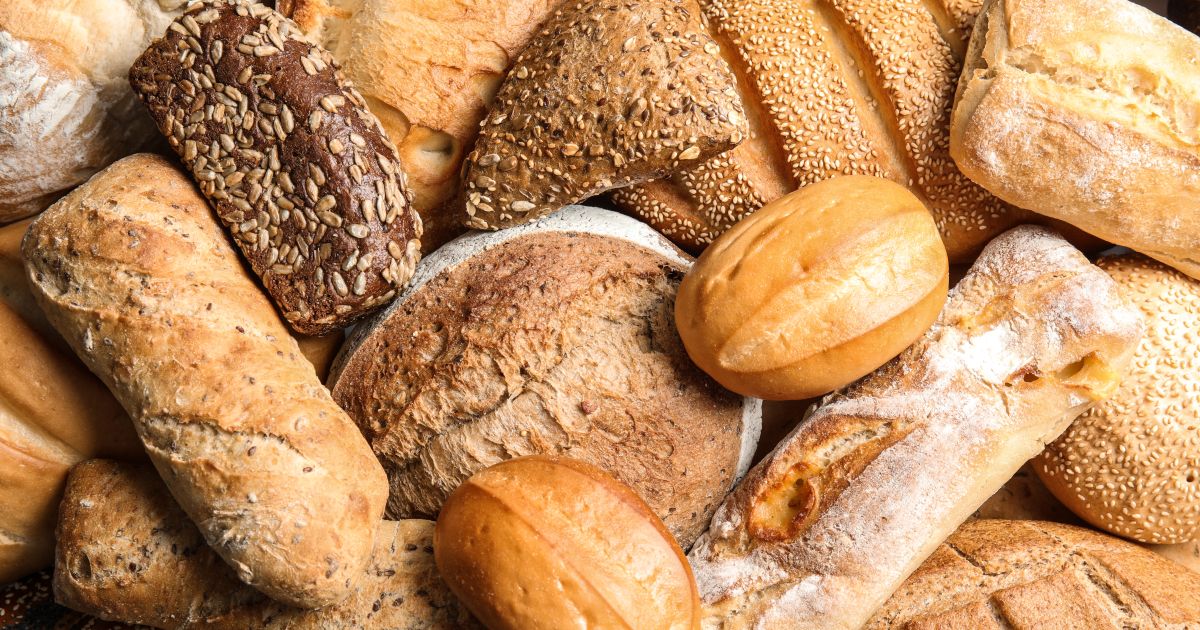
Understanding what makes our breads unique helps you design pairings that truly work on the plate. At Nino’s, every loaf begins with high-quality, unbromated flours and traditional fermentation methods that yield a robust crust and a moist, flavorful crumb. This balance—crisp exterior with a soft, inviting interior—offers a versatile canvas for various sauces, fillings, and toppings. The consistent, daily bake schedule ensures you can rely on a steady supply for high-volume service without sacrificing the artisanal character your guests expect. When you pair our breads with your menu, you’re not just adding texture—you’re layering aromas, mouthfeel, and visual appeal that can elevate both casual and fine-dining experiences.
Here are key attributes to keep in mind when pairing:
Our production model is designed for reliability, making it easier for your kitchen to plan menus, plate timing, and inventory with confidence.
To see how these qualities translate into real-world pairings, browse our catalog for specific loaf types and sizes, or contact our wholesale team to discuss high-volume options that fit your kitchen workflow.
Practical pairings by category: turning theory into kitchen magic
Pairing is most effective when you translate texture and flavor principles into concrete menu tactics. The following framework highlights how Nino’s breads can elevate Italian dishes, vegan/vegetarian plates, and seafood offerings—each with tangible serving ideas, sauces, and presentation notes. This section aims to equip you with actionable concepts you can test in your kitchen right away. For ongoing inspiration, stay tuned as we move from pairing principles to specific menu implementations in the next section, Italian Classics Made Better.
Italian dishes: elevating comforting classics
Italian cuisine thrives on bold sauces, vibrant olives and oils, and a balance of heartiness with elegance. Nino’s breads pair naturally with many Italian plates, from antipasti to pasta exteriors. Ideas include:
- A crusty bastone or ficelle alongside a caponata or white bean antipasto—perfect for scooping and mopping, with the bread’s glaze-like crust acting as a flavor bridge to olive oil, roasted peppers, and garlic.
- Porchetta or cured meat boards served with warm rolls that are lightly brushed with olive oil and herbs—bread acts as a palate cleanser between rich bites.
- Chunky tomato-basil bruschetta on toasted slices of rustic loaf, delivering a crisp edge and a juicy interior to balance acidity and sweetness.
For Italian-style sandwiches, consider a sandwich roll that can hold substantial fillings without breaking, while the crust provides a satisfying bite that stands up to oily sauces. The goal is a cohesive mouthfeel where the bread carries, not competes with, the core flavors.
Vegan and plant-forward dishes: texture and dipping clarity
Plant-forward menus benefit from bread that amplifies dipping, crumbling, and spreading without overpowering the vegetables’ brightness. Use Nino’s breads as a vehicle for olive oil, herb dips, and tomato-based spreads to create a color, aroma, and texture profile that complements plant-based proteins and starches. Examples include:
- Olive-oil brushed bread served with roasted vegetables and a lemon-tahini drizzle; the bread soaks up flavors while maintaining its own character.
- Herbed focaccia-style flatbreads to accompany chickpea stews or smoky bean dishes; the herb-forward profile echoes the dish’s greens and peppers.
- Open-faced bruschetta with tomatoes, garlic, and balsamic—bread acts as a crisp canvas for bright, high-acid toppings.
Key tip: in vegan menus, the bread’s aroma and texture can replace dairy-based richness in some dishes, helping you deliver indulgence with plant-based ingredients.
Seafood dishes: light, crisp, and capable of carrying sauces
Seafood often benefits from a bread companion that offers a clean, mild backdrop while absorbing delicate sauces. Consider pairings such as:
- Warm bread slices with lemon-butter or olive-oil dips to brighten seafood plates without masking the seafood’s natural flavors.
- Crusty bastone served alongside grilled scallops or shrimp, using the crust to add texture contrast to a tender interior and to soak up citrusy reductions.
- Rolls or small baguette portions to accompany seafood stews, where the bread acts as a utensil and texture counterpoint to silky sauces.
When presenting seafood, emphasize freshness and delicate seasoning; the bread should complement, not overwhelm, the dish’s brightness and mineral notes.
These concepts are just a starting point. The next section translates them into concrete menu tactics with real-world recipes, portioning tips, and service timelines. As you implement, you can reference our home page and product catalog for exact loaf formats and wholesale options. And when you’re ready to explore deeper, the Italian Classics Made Better section will show how to apply these pairings to signatures that feel both timeless and modern.
Next up: Italian Classics Made Better — a deeper dive into reimagining beloved Italian dishes with the right Nino’s bread to amplify flavor and texture while streamlining kitchen workflow. Explore more about Nino’s at Nino’s Bakery, learn our story at about-us, and browse our offerings in the catalog.
How to Pair Nino’s Bread with Your Restaurant Menu
Pairing bread with Italian-inspired dishes is about more than simply providing a side. It’s about texture, aroma, and the way a well-made loaf can elevate flavor profiles across antipasti, entrées, and even desserts. Nino’s Bakery brings time-tested technique and premium, unbromated flours to every bake, delivering crusts that crackle and crumbs that cradle sauces. When menus are built around these breads, consistency and performance in a high-volume kitchen become a natural outcome. The guidance below is designed for restaurant owners, foodservice managers, and hospitality buyers who want to unlock the full potential of our Italian-style loaves at scale.
For ongoing inspiration, you can explore our catalog to see current offerings and formats, or learn more about our craft on the About Us page. When you’re ready to pair, our breads are ready to perform—whether you’re building antipasti platters, salad courses, or crowd-pleasing paninis.
Italian Classics Made Better
Italian classics are defined by balance: a crisp exterior, a tender interior, and a flavor that complements rather than competes with the dish it accompanies. Nino’s breads are engineered for that balance. Each loaf is crafted with traditional methods and premium ingredients to deliver consistent performance in busy service environments. The result is a foundation bread that can be prepped ahead, held for service, and plated with confidence alongside antipasti, soups, salads, and main courses.
Below are practical pairings organized by core bread types in our repertoire. Use them as a starting point to design menu items, price strategies, and service timing that keep quality high and ticket times short.
Ciabatta: The Open Crumb That Holds Your Sauce
- Antipasti dips and sharing plates: Serve warm ciabatta with an olive oil dip infused with garlic, rosemary, and a touch of aged balsamic. The open crumb soaks up the olive oil without becoming soggy, making it ideal for crostini and mixed antipasti boards.
- Bruschetta and crostini bases: Use ciabatta slices for marinated tomato bruschetta, white bean purée with fennel, or roasted garlic and herb toppings. A light toast enhances crunch while preserving tenderness inside.
- Panini and rustic sandwiches: Pair ciabatta with classic Italian fillings—prosciutto di Parma with fresh mozzarella and arugula, or grilled vegetables with provolone. The bread’s structure stands up to sauces and fats, delivering a satisfying bite in every layer.
Serving tip: present ciabatta in warm clusters or as a sliced platter with a drizzle of high-quality extra virgin olive oil and a small pot of balsamic for dipping. For operators, consider placing ciabatta near the antipasti station and re-stocking as needed to maintain crisp crusts and a soft interior. If you’re seeking inspiration for ways to feature ciabatta beyond a simple side, explore our catalog for available formats and packaging options.
Pane di Casa (Italian Country Bread): Versatile Comfort for Soups, Salads, and Boards
- Soups and stews: The hearty crumb of Pane di Casa is perfect for dunking in ribollita, minestrone, or a velvety lentil soup. Its sturdy structure holds up to hearty broths, delivering a comforting pairing that customers return for.
- Salad accompaniments: Layer sliced Pane di Casa with chopped Italian salads, marinated vegetables, and marinated mushrooms for a shareable plate that feels artisanal and substantial.
- Cheese boards and charcuterie: Use thick-sliced panes as spoons for spreads or toasts for firm cheeses like provolone, fontina, or aged Pecorino. Their density provides a generous vehicle for toppings without sogginess.
- Sandwich foundations: For panini or open-faced specials, Pane di Casa offers a rustic, satisfying bite that can stand up to roasted peppers, fennel sausage, or herb-roasted chicken.
Tip for kitchen workflows: Pane di Casa handles bulk service well when pre-sliced, then lightly toasted at service. Its robust character also makes it forgiving for longer plating windows, ideal for brunch or lunch formats where timing can vary between tables.
Focaccia: Aromatic Platform for Flavor Layering
- Olive oil-forward plates: Focaccia is a natural companion to garlic- and rosemary-infused olive oils, simple sea-salt finishes, and pepper flakes. Slice into generous squares to share, or serve whole for a rustic presentation on antipasti boards.
- Roasted vegetables and seafood: Top or accompany with roasted peppers, olives, caramelized onions, or marinated artichokes. The bread’s olive oil content acts as a dressing, reducing the need for extra sauces on the plate.
- Salad and seafood sides: Pair focaccia with light salads or seafood starters to add a textural contrast that elevates the overall dining experience without overpowering delicate flavors.
Note: Focaccia’s versatility shines in sharing formats and as a carrier for toppings. For plated mains, consider using focaccia croutons or finger-size crostini to provide a familiar Italian texture across courses.
Italian Sandwich Rolls: Perfect for Panini, Subs, and Bistro-Style Servings
- Sub-style mains: Meatball, caprese, or prosciutto-and-fig combinations are elevated when built on a stable, soft-crust roll that remains crisp at the crust edge after grilling.
- Brunch-to-dinner versatility: Use these rolls for eggplant parm, sausage and broccoli rabe, or roasted chicken panini. Their consistency supports predictable portioning and plating across multiple shifts.
- Guest customization: Offer a “build-your-own panini” option using rolls as the base, with a curated selection of proteins, cheeses, and vegetables. This approach reduces prep stress while delivering high-quality results.
Menu tip: when designing sandwich-forward dishes, pair a signature bread with a signature sauce or spread to reinforce brand identity. For quick-reference ideas, our catalog lists formats, sizes, and packaging suitable for quick-turn recipes and bulk orders.
Crostini, Bruschetta, and Toasted Bites: Small-Bite Impact with Big Flavor
Regardless of the primary bread you choose, using Nino’s to create crostini or bruschetta provides a consistent platform for toppings and displays. Toast thin slices just until the edges begin to color for crunch and depth, then top with marinated tomatoes, whipped ricotta and herbs, or olive tapenade. These bites shine on tasting menus, happy hours, and antipasti courses, offering a high-visibility, low-lasagna-style footprint that can be prepped ahead and assembled quickly during service.
Bringing It All Together: Menu Planning and Execution
To translate these ideas into a practical kitchen workflow, consider these guidelines:
- Stock a core bread mix (ciabatta, Pane di Casa, and focaccia) in consistent, week-by-week formats to support recurring menu items and seasonal specials.
- Offer plates that feature two or three textures: a crusty bread bite, a pillowy interior, and a crisp topping or dip. This combination enhances perception of value and variety without introducing complexity in prep.
- Preserve bread integrity during service by stocking at optimal times, warming or toasting briefly at the line, and avoiding prolonged exposure to steam or moisture that can soften crusts.
- Coordinate with beverage pairings—olive oil and focaccia pair beautifully with sparkling or white wines, while heartier ciabatta-based dishes pair well with medium-bodied reds or robust coffee profiles in café settings.
As you refine your Italian-forward menu, remember that the bread is not merely a side—it’s a canvas for your chef’s intent and a touchpoint for guest experience. For more inspiration and to align with your facility’s procurement, explore our catalog and learn how Nino’s can scale with your kitchen. If you’d like to understand our philosophy and history behind the loaves, visit the About Us page. In the next section, we’ll explore vegan and plant-based pairings that leverage the same breads to create inclusive, craveable options that still honor Italian bread craft.
How to Pair Nino’s Bread with Your Restaurant Menu: Vegan and Plant-Based Pairings
Nino’s Bakery isn’t just about traditional Italian breads; it’s about versatility on a modern, plant-forward menu. Our crusty bastone and other loaves are designed to stand up to bold toppings, while their open crumb and sturdy crust provide the ideal vehicle for vegan and plant-based pairings. By presenting vegan spreads, dips, and toppings on our breads, you create crave-worthy starters, sides, and even sandwich options that appeal to vegetarians, vegans, and curious guests alike. This section focuses on practical, kitchen-friendly ways to weave vegan and plant-based pairings into your menu—without sacrificing texture, aroma, or crust that your guests expect from Nino’s. For chefs and operators across New Jersey and beyond, these ideas translate into scalable prep, predictable costs, and consistent enjoyment at every service. If you’re exploring product ideas, see our catalog for crusty bastone and other bread selections you can pair with these toppings.
Crusty Bastone as a Canvas for Vegan Spreads
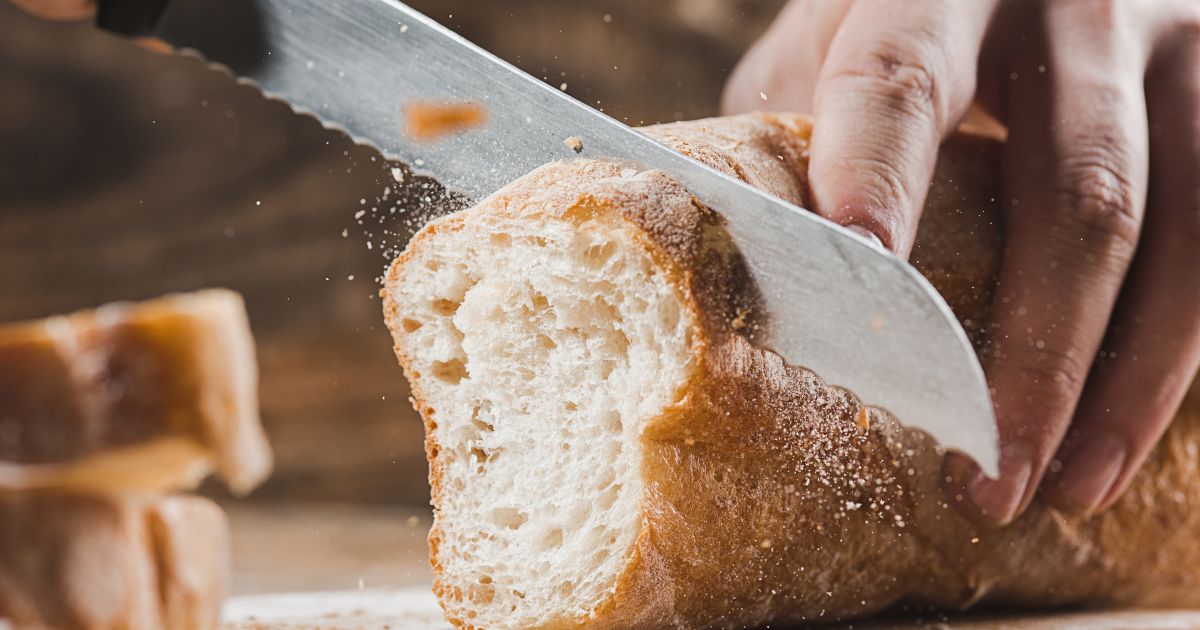
The crusty bastone is a natural platform for plant-based spreads and toppings because itsstrong exterior holds up to dips while the soft crumb absorbs flavorful oils and seasonings without becoming soggy. When used as crostini or sliced into rustic batons, bastone shines with a range of vegan applications. For service, consider 1/2 inch to 3/4 inch slices, lightly toasted to set the crust and heighten aroma, then brushed with a touch of olive oil and a pinch of finishing salt. Serve warm, or at room temperature for easy prep during peak hours. The result is a warm, inviting starter that pairs well with a glass of plant-based wine or a cold-pressed juice. These prep methods also translate seamlessly to bulk prep for high-volume kitchens, where consistency and speed matter as much as flavor.
Vegan Spreads and Toppings That Shine
- Olive Tapenade with Lemon Zest — A chunky, briny spread brightened with citrus and herbs. Layer on bastone slices for a vibrant crostini that wakes up the palate before the main course.
- White Bean Purée with Garlic — Creamy, protein-rich, and smooth enough to spread. Add roasted garlic and a drizzle of extra virgin olive oil for depth and balance.
- Roasted Garlic Hummus — A classic, elevated with extra paprika and a splash of lemon. Its earthiness pairs beautifully with crusty bread and crisp vegetables on the side.
- Cashew Ricotta with Basil — A dairy-free approximation of ricotta that brings a mild, tofu-like texture and herbaceous lift to any bite.
- Avo-Toast Inspired Mash — Ripe avocado mashed with lime, chili flakes, and salt; spread on bastone for a fresh, creamy contrast to a crisp crust.
- Sun-Dried Tomato Pesto (Dairy-Free) — Intensely flavorful, green with olive oil and pine nuts, this pesto doubles as a vivid topping or a savory dip for bread cubes.
- Olive and Caper Tapenade — A robust, salty note that makes a strong first impression when spread on toasted bastone and finished with a touch of olive oil.
Tip: These spreads are designed to be prepared in advance and stored under safe conditions for service. When plated, consider a light garnish of herbs, roasted peppers, or microgreens to add color and aroma without overpowering the bread’s crust.
Course-by-Course Pairing Ideas
Turning bread into a course-smart component begins with the right starter. Here are actionable ideas that integrate vegan pairings across a menu:
- Starter/Antipasti: Create a “Bastone Crostini Trio” with a single bastone sliced into crostini rounds, topped with olive tapenade, white bean purée, and roasted pepper hummus. This creates variety on a single plate and demonstrates the bread’s versatility on a vegan-forward menu.
- Soups and Salads: Offer bastone croutons or warm slices as a topping for vegan soups (like tomato-basil or cream of mushroom made with coconut milk) and for kale or grain salads. The bread’s texture adds crunch and helps balance creamy or vinaigrette-based components.
- Main Courses / Sandwiches: Build plant-based sandwiches on bastone or large rolls using cashew ricotta, avocado mash, or sun-dried tomato pesto, layered with marinated vegetables, arugula, and a drizzle of extra virgin olive oil. Such sandwiches showcase the bread’s ability to hold up under sauces and fillings while remaining satisfying for vegans.
- Sides and Accompaniments: Serve bastone wedges as a vehicle for roasted vegetables or a garlic-lemon aioli—vegan versions that echo the bright, Mediterranean notes of the bread.
These ideas align with a plant-forward or vegan-forward kitchen strategy while preserving the bread’s integrity and taste. For menu planning, pair bastone with multiple spreads so guests can build customizable combinations, encouraging longer visits and higher check averages.
Operational Tips for Kitchens
To deliver consistent vegan pairings at scale, consider these practical operations tips. Slicing and portioning should happen on a single station with a clean, cold surface to keep bread from becoming gummy. Toasts should be prepared on demand or held in a warm, dry environment to preserve crunch. If serving as crostini, keep the bread slices to a consistent thickness and brush each slice with olive oil prior to toasting for uniform flavor and moisture content. For dips and spreads, prepare in standard container sizes (for example, 1–2 cup portions) and label with date code. Maintain allergen controls by using clean utensils for each spread and keeping dairy-free options separate from any dairy-containing products. When feasible, portion each spread to minimize waste and ensure uniform guest experiences across tables and venues.
Menu Design and Sourcing Considerations
When integrating vegan pairings into a menu that features Nino’s bread, clarity is key. Clearly identify vegan spreads and bread-based options in menu copy, and consider offering a dedicated vegan crostini appetizer with a suggested pairing list. Communicate bread handling details to your kitchen team—slicing thickness, toasting protocol, and serving temperature—to ensure product consistency across service windows. Highlight the bread’s artisanal heritage and the bakery’s emphasis on quality ingredients, including premium unbromated flours, to reinforce product credibility with discerning guests. If you’re building a plant-forward program, consider listing bastone and related breads in a dedicated section of your menu or website, with brief notes on durability, texture, and best-use scenarios.
For reference and ongoing inspiration, explore our about-us page and browse our catalog for current crusty bastone availability and other bread options that pair well with vegan spreads and toppings.
Transitioning to seafood-focused enhancements can provide a balanced menu narrative. As you introduce seafood-focused pairings, your vegan and plant-based spreads will still serve as versatile starter or accompaniment options, creating a cohesive menu that appeals to a broad audience. This section sets the stage for that evolution, showing how bread can be the anchor for both plant-based and seafood-inspired offerings.
How to Pair Nino’s Bread with Your Restaurant Menu: Seafood Menu Enhancements
Seafood dining benefits immensely from thoughtful bread pairings that amplify brightness, contrast textures, and carry sauces gracefully. Nino’s artisan breads bring a reliable, high-quality canvas to your seafood dishes—whether you’re plating delicate fillets, bold crustaceans, or hearty shellfish stews. The goal is to enhance flavor without overpowering it, to provide toothsome contrast to tender seafood, and to offer a familiar, comforting vehicle for sauces, oils, and citrus notes that define a successful seafood menu. Below are practical, kitchen-tested concepts designed to elevate seafood offerings across appetizers, entrées, and shareable plates.
Rosemary Focaccia: Bold Partner for Grilled Fish
Pair rosemary focaccia with grilled fish for bold flavor. The herb-forward, olive-oil-rich crumb of rosemary focaccia adds aromatic complexity that complements the sweetness and caramelization of grilled white fishes like sea bass, halibut, or striped bass. When served warm, the focaccia’s crisp crust yields to a tender interior, creating an ideal bite for scooping up lemon beurre blanc, white wine butter sauces, or herbaceous olive oil di… filtrations. Consider finishing the plate with a light zest of lemon and a drizzle of high-quality extra-virgin olive oil to echo the bread’s own oiliness. For portions, present 2–3 slices per guest alongside the fish, or offer one warm half-loaf as a sharing accompaniment for larger tables. The rosemary’s piney notes also pair nicely with seafood salads that feature fennel, cucumber, or punkt-like citrus segments, offering a cohesive flavor thread across courses.
Ciabatta: The Textural Vessel for Shellfish and Rich Sauces
Ciabatta’s open crumb and sturdy crust make it an exceptional vessel for shellfish-centric dishes and rich dipping sauces. Its structure holds aioli, lemon-garlic butter, neroli-washed olive oil, and the last droplets of a lobster or crab bisque without turning soggy. Create a seafood-focused bread service by offering lightly toasted ciabatta rounds that guests can use to mop up sauces from crab cakes, lobster tail presentations, or bouillabaisse-inspired stews. For plated entrées, consider a single ciabatta crostino brushed with garlic oil to accompany seared scallops or shrimp, providing a satisfying crunch that complements the tenderness of the seafood. When part of a shareable board, a warm, sliced ciabatta provides the perfect medium for dipping into a citrusy aioli or herb butter, encouraging guests to interact with the dish and increasing perceived value.
Sourdough: Depth for Chowders, Bouillabaisse, and Hearty Fish Stews
Sourdough’s tang and robust crust offer a counterpoint to rich seafood soups and stews. A crusty boule or a sliced sourdough baguette works beautifully for dipping into lobster- or clam-based chowders, bouillabaisse-style preparations, or tomato-based seafood stews. Toasted sourdough slices provide a stable platform for creamy bisques, while torn chunks can be stirred into broths to intensify texture and flavor. For menu design, consider a bread service that includes a warmed sourdough slice alongside steaming bowls, or offer a tiny sourdough crouton brushed with herb butter as a garnish for delicate fish mousses. The sourdough’s natural acidity brightens the overall plate, helping to cut through richness and keep seafood flavors forward on the palate.
Pane Rustico: Rustic Complements for Hearty Seafood Platters
Rustic loaves—pane rustico or similar rustic Italian loaves—bring a hearty, rustic contrast to seafood platters featuring grilled octopus, charred calamari, or roasted seafood platters. Their denser crumb and browned crust stand up to bold flavors like char, paprika, smoked paprika, or fennel pollen rubs often used on grilled seafood. Slice pane rustico thickly and serve warm to guests, allowing the bread to soak up a touch of seafood jus or a light lemon-herb oil without losing its structure. This bread option is especially effective with seafood boards or family-style meals, where guests share flavorful bites and rely on bread to unify the course progression.
Direct Pairing Scenarios and Menu Logic
To translate these bread choices into repeatable menu experiences, use a few guiding scenarios that kitchen staff can reproduce across service periods:
- Grilled White Fish + Rosemary Focaccia: Serve two warm slices per guest with the entrée, plus a lemon wedge and a light herb oil drizzle. This pairing brightens the fish’s natural sweetness and adds aromatic depth without overpowering the plate.
- Crab Cakes or Lobster Sliders + Ciabatta Toast Points: Offer 2–3 toasted rounds per guest as a dip-friendly accompaniment. The ciabatta’s structure supports creamy tides of aioli and butter sauces common with shellfish presentations.
- Seafood Chowder or Bouillabaisse + Sourdough: Present a warmed sourdough slice or thin toast as a vehicle for savoring the creamy broth and seafood pieces, encouraging diners to savor every drop.
- Seafood Boards and Shared Plates + Pane Rustico: Include thick-cut pane rustico for guests to create miniature seafood toasts, blending rustic heartiness with delicate seafood bites for balanced mouthfeel across the platter.
Operational Considerations for Kitchens
From a service and operations perspective, breads should be delivered fresh, but not so hot that they risk tearing when sliced. Consider warming times and service windows to ensure each bread type reaches its peak aroma and texture just as guests begin their seafood courses. For high-volume kitchens, pre-slice and pre-toast portions in controlled batches to maintain crumb integrity and avoid sogginess from sauces. A simple bread-and-dutter system—focusing on rosemary focaccia, ciabatta, sourdough, and pane rustico—can cover a majority of seafood dishes while maintaining efficiency during peak periods. Training front-of-house teams on these pairings helps servers confidently guide guests through tasting notes and suggested pairings, enhancing perceived value and overall dining experience.
Ready to experiment with these pairings in your own menu? Nino’s artisan breads elevate every menu, from Italian to vegan to seafood. Order a sample to find the perfect pairings for your restaurant! Our Breads
Conclusion: Elevate Your Menu with Nino’s Breads
As we close this deep dive into pairing Nino’s artisan breads with your restaurant menu, one truth stands out: bread is not a mere accompaniment. It is a flavorful, textural, and aromatic foundation that can lift dishes, define courses, and shape the overall dining experience. Nino’s breads—crafted with time-honored techniques, premium unbromated flours, and a consistent level of quality—bring a level of reliability and character to your kitchen that is rare in high-volume baking. When you view bread as a menu component rather than a crusty afterthought, the possibilities for pairing become both creative and practical.
From the moment a crust cracks and steam lifts from a warm loaf, your guests’ perception shifts. A well-paired bread acts as a vehicle for sauces and toppings, a canvas for antipasti, a bridge between courses, and a memorable finish when served with a dipping oil or a simple spread. Nino’s breads are designed to perform in real-world restaurant environments—delivering consistent slice counts, reliable bake times, and dependable texture whether you’re feeding a solo table or a bustling banquet hall. The result is a menu that feels cohesive, connected, and confidently executed.
Pairing insights by category
Consider how different bread profiles can accentuate various kitchen concepts. Below are practical pairings that can be adapted to your current menu, kitchen workflow, and service style.
Italian-forward dishes
- Bastone with antipasti platters: A crusty, elongated loaf provides a sturdy base for marinated vegetables, olives, and cured meats. Sliced thicker, it accommodates heartier toppings without losing its texture.
- Focaccia for roasted vegetables and panini: Its olive oil richness anchors roasted peppers, mushrooms, and onions, while still offering a delightful chew for pressed sandwiches.
- Ciabatta crostini and bruschetta: A light, porous crumb holds tomato bruschetta, olive oil, and garlic without becoming soggy—perfect for first courses or shared plates.
- Composed pasta dishes and soups benefit from a rustic loaf rubbed with garlic or brushed with olive oil for extra depth and texture on the plate.
Vegan and plant-based menus
- Semolina- or olive oil–based loaves pair beautifully with hummus, olive tapenade, and chickpea salads, providing a sturdy vehicle for spreads and toppings without overpowering delicate flavors.
- Use slices or warm panels of bread to accompany roasted vegetable bowls, grain salads, and marinated-tofu or tempeh dishes, where the bread can soak up vibrant pan sauces and dressings.
- Sandwich-focused vegan dishes shine with crusty rolls that hold up to sauciness and chunky fillings, ensuring every bite delivers texture and contrast.
Seafood and coastal menus
- Ciabatta or light focaccia makes an ideal base for seafood salads, crab cakes, or lobster rolls, offering a soft interior and a crusty edge that holds seafood sauces without sogginess.
- A garlic-butter brushed loaf can accompany grilled fish or shellfish, acting as a flavorful mop for sauces and reductions.
- For chowders, bouillabaisse, or seafood stews, serve warm bread slices for dipping and sopping, transforming a shared bowl into a more tactile, satisfying experience.
Breakfast, brunch, and all-day concepts
- Crusty loaves and soft rolls provide a premium toast platform, whether you’re serving open-faced avocado, tomato, and ricotta, or a classic eggs-and-sauce morning dish.
- Toasted bread bowls or thicker slices can anchor breakfast boards, adding texture and a rustic charm that resonates with guests seeking comfort and quality.
Practical steps to implement flavor-driven pairings
To translate these ideas into a working menu strategy, follow these steps that respect both quality and kitchen efficiency:
- Define a bread program for each menu segment. Map specific Nino’s breads to Italian, vegan, seafood, and breakfast sections so servers can guide guests with confidence.
- Establish a standard bread service. Decide if you’ll offer bread as a first course, a side with entrees, or a shared board. Consistency in portioning and heating times is key to reliability during busy service.
- Create tasting pairings for signature dishes. Develop 2–3 suggested pairings per dish (e.g., which bread aligns with a particular sauce or pesto) and train staff to suggest them naturally.
- Offer seasonal breads for limited-time dishes. Rotate a small selection to highlight seasonal ingredients or chef specials, keeping the bread program fresh without overextending the kitchen.
Why Nino’s matters for your menu design
Nino’s artisan breads bring a blend of heritage and reliability that is rare in high-volume production. The commitment to quality—time-tested recipes, premium unbromated flours, and meticulous bake-times—means you can design menus with bold flavors and confident execution. The breads’ versatility supports cross-utilization across courses, enabling you to streamline purchasing while expanding the perceived value of every plate. In other words, a well-chosen bread pairing can elevate a simple dish into a memorable dining moment.
Take the next step: sample and discover your perfect pairings
The best way to determine which breads harmonize most effectively with your menu is to taste them in context. We encourage restaurant teams to request a sample assortment and to conduct in-kitchen tastings with signature dishes. This hands-on exploration helps you identify the most compelling pairings for your guests, optimize plate balance, and refine service flow. When you’re ready to explore, consider the following approach:
- Order a curated sample from Our Breads to evaluate crust, texture, and aroma across several bread formats.
- Pair each loaf with a set of your menu dishes—Italian starters, vegan mains, seafood plates, and breakfast items—to observe interaction and texture contrast.
- Solicit feedback from front-of-house staff and guests during tasting events to capture practical insights about crumb strength, chew, and performance with sauces and toppings.
Call to action
Ready to refine your menu with bread that truly performs? Order a sample to find the perfect pairings for your restaurant—and let Nino’s elevate every dish you serve. For quick reference to our bread lineup and to start the tasting process, visit Our Breads, or learn more about our bakers and process at About Us. To explore the full context of Nino’s craft and offerings, you can also browse the homepage at Nino’s Bakery.