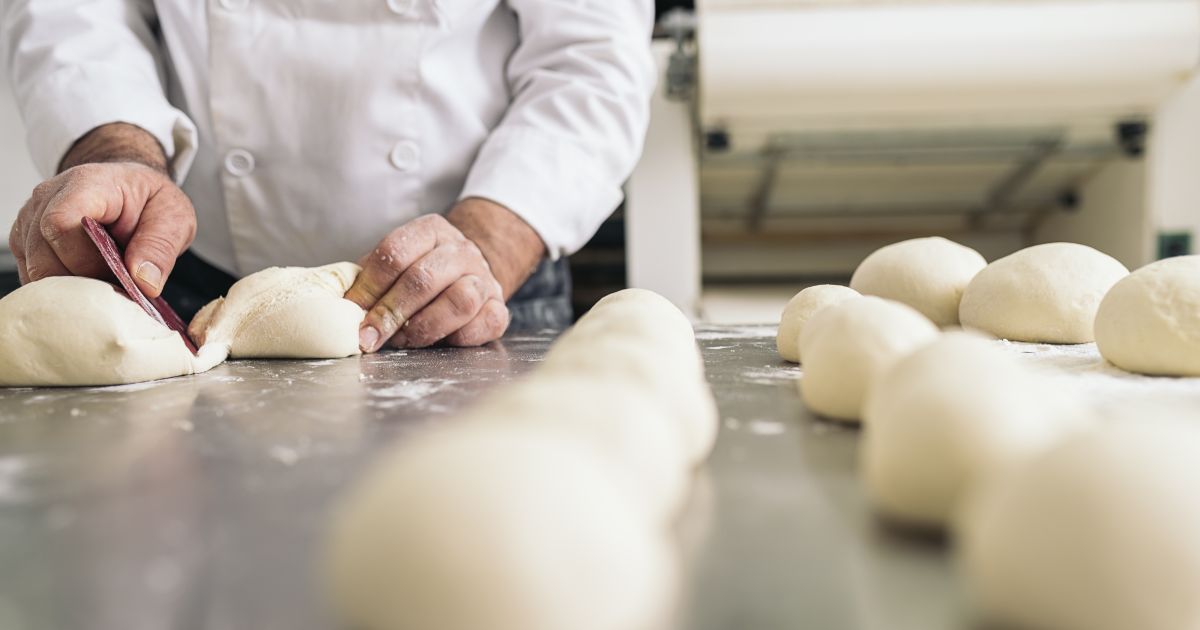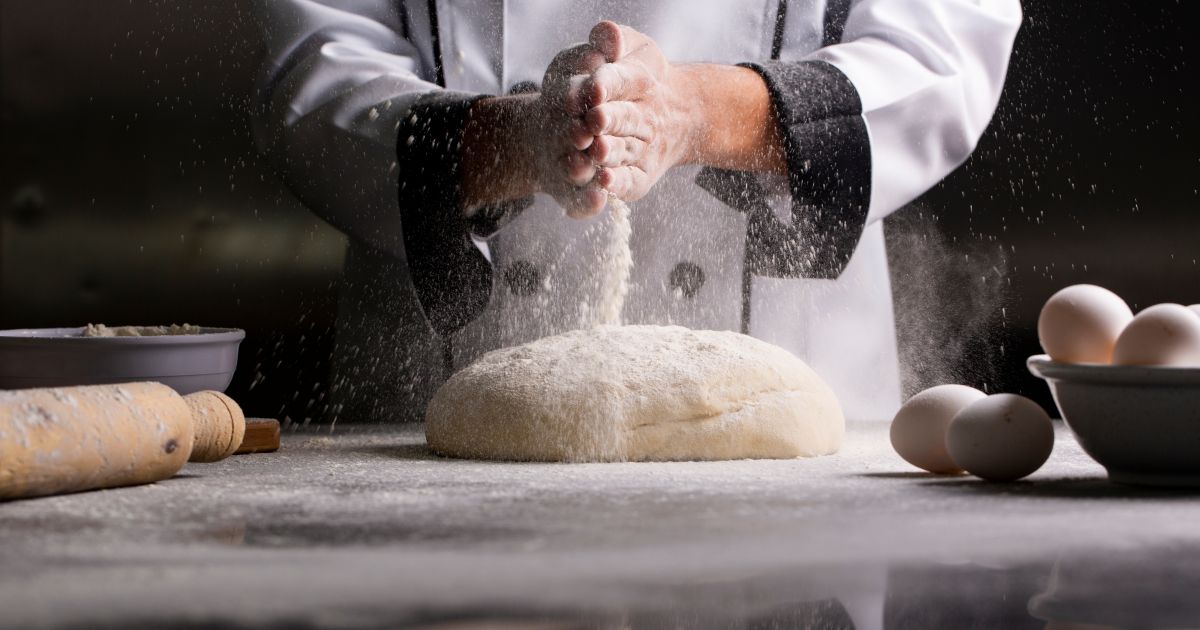
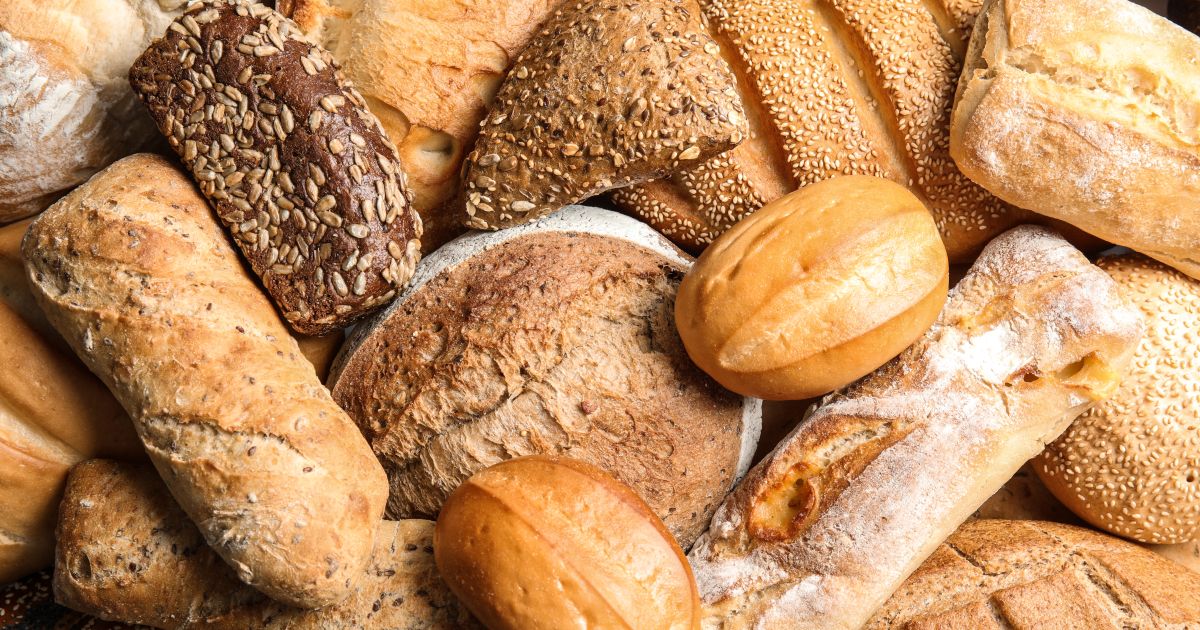
Bringing Nino’s Bakery home is more than bringing a loaf into your kitchen; it’s inviting the warmth of a neighborhood bakehouse, the rhythm of small-batch craft, and a sense of regional pride right to your table. Based in West Long Branch, New Jersey, Nino’s has built a reputation on daily, artisan bread that balances tradition with practical daily use. When you open a bag or crack a crust, you’re tasting a lineage of time-honored recipes, premium ingredients, and a meticulous approach to fermentation and baking. This isn’t just bread; it’s a careful, flavorful collaboration between our ovens and your home, designed to elevate everyday meals and special occasions alike. Whether you’re feeding a busy weeknight dinner or planning a leisurely weekend brunch, Nino’s bread brings a sense of craftsmanship that resonates from the scent wafting through your kitchen to the final bite you linger over with a cup of coffee or a glass of olive oil for dipping.
Why Nino’s Bread Transforms Home Meals
What makes Nino’s bread sing in home kitchens begins with our relentless commitment to quality. We bake daily using time-tested recipes and premium unbromated flours, a choice that helps us achieve a vibrant flavor with a crust that crackles and a crumb that remains supple. This combination isn’t merely about taste—it’s about texture, aroma, and the way the bread behaves when you slice, toast, or pair it with toppings. The crust provides a tactile, audible invitation to bite, while the interior offers a nuanced wheat character that supports everything from a simple drizzle of olive oil and sea salt to more adventurous toppings. In short, Nino’s bread is designed to perform as well in a quick weeknight sandwich as it does on a show-stopping antipasto board for guests.
Our approach also matters. At Nino’s, we bake at scale, but never at the expense of character. That means a careful balance of hydration, fermentation, and oven steam that yields a resilient loaf with a robust crust and a tender, flavorful interior. Even as you enjoy bread at home, you’ll notice the same attention to detail that restaurants rely on when they choose Nino’s for their menus. This isn’t bakery theater—it’s bread you can trust to taste consistently great week after week, whether you’re slicing for paninis, serving with soup, or pairing with a cheese plate for a casual gathering. If you’re curious about the breadth of what we offer, a quick glance at our online catalog can reveal the variety of shapes and textures that travel from our ovens to your kitchen.
Bringing Nino’s into your home also invites a moment of ritual. The aroma of fresh dough, the crisp snap of a crust, and the way a warm slice glistens with a sheen of olive oil or a pat of butter—all these little details elevate ordinary meals into something special. You don’t need a professional toolkit to maximize flavor; you simply need to understand a few simple practices that awaken the bread’s best qualities. A well-chosen loaf can become the centerpiece of a casual supper, the builder of a satisfying lunch, or the foundation of a weekend brunch tradition. Our breads—whether crusty bastone, delicate sandwich rolls, or rustic loaves—are versatile enough to adapt to your favorite toppings, sauces, and fillings, creating moments of joy around the table.
For those who are new to Nino’s, start with a small selection to feel the difference in texture and aroma. A crusty bastone brings dramatic presence to a soup or salad; a soft, open-crumb loaf serves as a reliable anchor for toppings and spreads; a pack of artisan rolls handles anything from breakfast eggs to lunchtime sandwiches. As you explore, you’ll begin to notice how each bread type carries its own fingerprint—the tang of fermentation, the depth of grain, the balance between crust and crumb—so you can tailor your choices to the occasion. If you’d like to browse at your own pace, you can explore varieties on the catalog page, and learn more about our approach on the about-us page. If you’re shopping for a group or a small business, remember that wholesale options are available as well, ensuring that your team experiences the same quality you enjoy at home.
To help you get the most from your Nino’s experience, here are a few home-friendly practices that unlock exceptional flavor without requiring a professional kitchen. First, slice with a serrated knife to preserve the crumb structure and maintain a clean cut. Second, give a moment for the bread to rest after baking or slicing so the steam settles and the flavors become more pronounced. Third, heat a slice briefly to heighten aroma and bring out toasty notes—this simple step makes even a modest topping feel elevated. Fourth, pair thoughtfully—dashi-light soups, bright salads, rich cheeses, olive oil with a pinch of salt, or robust cured meats all respond beautifully to the backbone that Nino’s bread provides. These are small steps, but they are the ones that let the bread shine rather than compete with other components of the meal.
As you plan meals, remember that Nino’s is a bakery with both retail and wholesale capabilities, so you can envision culinary uses from intimate family dinners to larger gatherings. The breadth of our offerings is showcased on our catalog page, where you can see the current line-up and select the items that best fit your needs. For those who want to learn more about the people, the philosophy, and the kitchen that bring these breads to life, the about-us page offers deeper context. And if you’re thinking ahead about future orders for a café, restaurant, or event, our wholesale program is designed to ensure you receive consistent product quality and dependable supply, just as your guests expect.
Ready to bring Nino’s into your home? The joy of a truly great loaf is best experienced when you taste it for yourself, so consider placing an order from the catalog and discovering how a few slices can transform a simple meal into something memorable. For ongoing inspiration, follow our lead-ins here—this article will continue with practical guidance on Storing Bread for Freshness, helping you keep that crust crackling and crumb tender long after you bring it home. In the meantime, you can explore more about Nino’s and our philosophy of craft on the home page, and, if you’re curious about our story, our about page offers additional background on our family-owned bakery.
Links for quick reference: Nino’s Bakery NJ • Catalog • About Us. These resources provide easy access to the full range of products, our background, and the latest offerings as you plan your next bread moment at home.
How to Enjoy Nino’s Bread at Home Like a Pro: Storing for Freshness
Bringing home Nino’s artisan loaves means you’re starting with bread that’s at peak flavor and texture. The way you store that bread can either preserve its character for a day or two or, with a little care, extend that character for days. In this section we’ll focus on storing bread for freshness, with practical tips that keep crusts crackly and crumbs tender. And yes—the wrap matters. As a guiding principle, wrap loaves in cloth to maintain crust texture.
Wrap Loaves in Cloth to Preserve Crust Texture
Crust-to-crumb balance is the hallmark of our breads. Plastic wrap or airtight bags trap moisture against the crust, softening that signature crackle and causing the crumb to feel dull. Instead, use a clean cotton or linen cloth to bundle the loaf. The cloth provides a breathable shield: it protects the crust from direct air so it doesn’t dry out too quickly, while still allowing a gentle exchange of humidity that keeps the interior from becoming stale. If you’re protecting a larger loaf or a batch of rolls, wrap each piece individually or loosely group families of slices in a separate cloth parcel. This approach mirrors how bakers in our shop think about texture and seasonality, and it’s a simple step that yields noticeable results in your at-home tasting experience.
Storage Fundamentals: Air, Moisture, and Temperature
- Airflow matters. Breathable wraps like cloth or paper bags prevent moisture buildup that can lead to soggy crusts or mold.
- Temperature controls flavor retention. Store at room temperature away from direct sunlight or heat sources. Extreme warmth accelerates staling and dryness.
- Moisture management. For crusty loaves, choose a breathable storage option (cloth, paper bag, or a lined bread box) over tight plastic. For softer sandwich breads, a light wrap in cloth or a puffed-paper bag keeps the crumb tender without turning the crust gummy.
- Shade and scent. Keep bread away from strong-smelling foods; bread easily picks up neighboring aromas if stored too close in a shared space.
Short-Term Storage: 1–3 Days
When you plan to enjoy the bread within a couple of days, your best bet is room-temperature storage wrapped in cloth or placed inside a breathable bread box. A clean linen or cotton towel inside a shallow basket can create a micro-climate that preserves crispness while preventing the crumb from drying out. If your kitchen is a bit humid, you can add a dry paper bag around the cloth wrap to regulate moisture. For those who like to portion out sandwiches ahead of time, separate the loaf into quarters or thick slices and wrap each portion in parchment first, then in the cloth. This keeps portions handy while reducing the risk of staling all at once. For best results, plan to consume crusty breads within 2–3 days; after that window, you’ll want to consider freezing portions or refreshing the crust before serving, as described below.
Longer Storage: Freezing for Extended Freshness
Freezing is your ally when life gets busy and you want to preserve the artisan character of Nino’s bread beyond a couple of days. The goal is to minimize moisture loss and preserve both crust and crumb through the freeze–thaw cycle. First, decide how you’ll use the bread after thawing: whole loaf for rustic table presentation, or individual slices for quick breakfasts and sandwiches. For best results, slice before freezing. This lets you thaw just what you need without exposing the entire loaf to air. Wrap the slices in parchment paper to separate them, then seal them in a resealable freezer bag or wrap tightly in plastic wrap followed by foil. Label with the date so you can track freshness; in general, you’ll want to use frozen bread within about 2–3 months for optimal flavor, though it will remain safe beyond that if kept frozen.
When you’re ready to use frozen bread, thaw slowly at room temperature, still wrapped, to minimize moisture loss. Once thawed, you can re-crisp the crust and refresh the crumb with a brief warm-up in a 350°F (175°C) oven for 5–10 minutes, depending on thickness. If you’re reheating slices for crostini or bruschetta, you can skip the full loaf warming and simply toast or re-toast the slices to your preferred toastiness. The key is gradual warming to avoid drying out the interior while restoring that just-baked texture on the exterior.
Thawing and Refreshing: Restore Crust and Crumb
Even when bread appears perfectly thawed, the last 1–2 minutes in the oven can do wonders. Remove any twists of plastic that might trap moisture and allow the loaf to stand for a few minutes to re-distribute moisture. Re-crisping is your best friend for crusty loaves: a gentle, even heat will wake the crust back to life and lift the aroma. If you’re simply warming a few slices for a sandwich or soup, a quick 3–4 minute reheat in a toaster oven can yield excellent results while protecting the crumb’s tenderness. Pay attention to the crust’s reaction—if it stiffens or darkens too quickly, reduce the time by a minute or two. Also, avoid microwaving whole loaves; microwaves can quickly make the interior gummy and the crust soft. The goal is to keep the bread authentic to what you tasted fresh from the oven.
Serving Like a Chef: A Quick Framework for Fresh Bread
Storage is the first act in your at-home bread performance. The next act is how you serve it. When your bread is properly stored, you’ll notice that slicing and plating become easier, and the aroma can be a ready-made garnish for any table. For crusty loaves, consider slicing just before serving to preserve the steam that keeps the crumb tender. For rolls and sandwich loaves, pre-portioning and re-warming slightly can elevate the final presentation. Look for a slight sheen on the crust and a springy, not dense, crumb as you cut into the loaf. If you have questions about pairing or serving, you can explore our broader offerings on the site, including the catalog of breads and rolls at Catalog, or learn more about our family-owned approach at About Nino’s Bakery. For a direct peek at our home page, visit our home page.
To borrow a page from our shop, always start with a plan for your next bread moment. Will you serve these loaves as a rustic board accompaniment, or will they support a heated dip, a vibrant bruschetta, or a simple, comforting soup? The answer often guides how you store and reheat them. Remember that the best bread moments come from a combination of careful handling, proper storage, and mindful re-heating. By following these steps, you’ll be in a position not only to enjoy Nino’s bread at its peak but to recreate restaurant-quality texture and aroma in your own kitchen.
For more context on our baking philosophy and how we source ingredients, visit our main site or the About page to understand our approach to quality, tradition, and local partnerships: Nino’s Bakery, About Nino’s Bakery, and our full catalog at Catalog.
How to Enjoy Nino’s Bread at Home Like a Pro
At home, you can reproduce the bakery’s careful balance of crust and crumb by treating each loaf as a small stage for flavor. Nino’s bread is crafted to perform across meals—from a simple weeknight dinner to a celebratory gathering—so the key is not just what you serve, but how you present it. The moment you slice into a fresh loaf, you invite aroma, texture, and tradition to the table. The goal is to make every bite feel deliberate, generous, and, yes, a little theatre. A few chef-inspired practices can transform casual dining into a memorable bread experience, and they align with the same standards you’ll see on our About Us page and in the catalog of breads we proudly bake for you here.
Serving Like a Chef: Elevate Every Slice
Serving like a chef means treating bread as a flexible, flavor-ready ingredient—one that can accompany, dip, scoop, or sandwich in ways that honor its character. The starting point is Warm ciabatta slightly before serving. This simple step unlocks aroma, softens the crust just enough for easy tearing, and lets the interior crumb shine. When you bring warm ciabatta to the table, you signal to guests that the moment matters, even in a casual home setting.
Why warmth matters, in brief: aroma is a powerful appetite cue; a warm crust yields a satisfying crack when you break it; and gentle heat helps emulsion-like sauces or olive oils cling to the surface so each bite is flavorful from start to finish. With Nino’s breads—whether ciabatta, bastone, or a sandwich roll—the goal is to preserve a crisp exterior while maintaining a tender, open crumb inside. Those contrasts are what make breads from our bakery uniquely enjoyable when plated at home.
- Olfactory engagement: heat amplifies the sweet, toasty notes in the crust and crumb, inviting guests to lean in for a closer look (and sniff).
- Crisp exterior, tender interior: warmth dries the crust just enough to preserve its bite while keeping the crumb supple and flavorful.
- Flavor pickup: a warm surface better carries olive oil, sea salt, or a brushed garlic oil for an extra layer of aroma and depth.
Below are practical ways to bring that chef-grade warmth to your table without a professional kitchen. Each method is designed to be simple, reliable, and effective for home cooks who want consistent results with the breads you’ll find on our Catalog.
preheat your oven to 350–375°F (177–190°C). A hot oven is essential to revive aroma and crispness without over-drying. If you have a baking stone or steel, place it in the oven during preheat so the bread starts on a hot, forgiving surface. place ciabatta or rolls directly on a rack or on a baking sheet. For loaves, 5–8 minutes usually suffices; for smaller rolls, 3–5 minutes. The goal is warmth and an aroma bloom, not a bake-through. a shallow pan of water on the bottom rack or a quick spritz of water inside the oven can help develop a crust that’s crackly but not parched. This is especially useful for ciabatta, where the open crumb benefits from that slight moisture lift. the bread should be warm to the touch and carry a faint toasty scent. Remove from the oven, rest for a minute, then slice or portion for serving. If you’re entertaining, you can time this so the bread meets guests at the peak of aroma and warmth.
Another practical route is to toast slices directly. For bruschetta or crostini, preheat a skillet or grill pan over medium heat and toast each slice for 1–2 minutes per side until edges are just crisp. This approach maintains a strong crust while intensifying flavor for toppings.
As you plate, consider the table setting. A warmed serving board or rustic wooden tray enhances the visual appeal and helps diners appreciate the bread’s texture before they even cut into it. Place a small knife or bread-knife nearby, along with a modest oil dip or a salt-crystal shaker. Small, thoughtful touches echo the care you see in Nino’s bakery process and invite guests to linger over a simple component of the meal.
Understanding the type of bread you’re serving is also important. Ciabatta’s large holes and bold crust behave differently from bastone’s longer, thinner profile. A bastone can stand up to heartier toppings or slices, while a ciabatta works brilliantly for dipping in olive oil or accompanying a delicate antipasto. Exploring the different breads in our catalog helps you choose the right bread for the moment and for the course that follows.
each loaf offers a distinct crust and crumb profile that can anchor a course, a starter, or a finish, depending on your vision.
Timing is everything when you’re dining with family or hosting guests. For a sit-down dinner, coordinate the bread’s arrival with the main course so it’s still warm as you begin to plate. For a casual grazing setup, have the bread warming briefly as people gather, then cut and present portions as needed. The idea is to keep bread warm and inviting, without rushing or letting it sit too long and lose its crust and aroma.
Storing for freshness is equally important if you’re planning ahead. Leftover bread should be kept in a paper bag at room temperature rather than a plastic bag, which traps moisture and softens the crust. If you anticipate a longer window, freezing is a practical option. Wrap bread tightly in foil, then seal in a freezer bag. Reheating from frozen in a 350°F oven for 10–12 minutes will bring back warmth and a crackly crust, leaning toward that fresh-baked texture you love from Nino’s.
Behind the scenes, what makes Nino’s bread special at home mirrors the craft you’d experience in the bakery. Our use of premium unbromated flours and careful fermentation contributes to a crust that develops depth and aroma under controlled heat. The result is bread that responds to home cooking with a level of versatility and presence that elevates everyday meals into something memorable. The simple act of warming, slicing, and presenting becomes a small ritual that honors the bread’s character and your guests’ experience.
To continue the journey from serving to pairing, stay tuned for Creative Pairing Ideas that explore how to match Nino’s breads with sauces, cheeses, vegetables, and proteins. For a broader sense of who we are and what drives our bread program, you can visit About Us or browse our current lineup in the Catalog.
How to Enjoy Nino’s Bread at Home Like a Pro: Creative Pairing Ideas
Nino’s Bakery isn’t just about great bread; it’s about elevating every meal with edges of crust, aroma of yeast, and the soul of Italian baking. When you bring home a loaf from our bakery or order a selection from our catalog, you’re starting a small celebration—crisp crust, tender interior, and a taste that invites you to get creative. The following ideas are designed for home cooks who want to maximize flavor without overcomplicating the kitchen. Each pairing emphasizes texture, balance, and the way our breads can carry a dish, rather than overwhelm it.
Classic Comforts: Soups, Stews, and Salads
There’s something timeless about dipping, mopping, and pairing a sturdy bread with warm bowls. For soups and stews, choose a crusty option like our bastone or a rustic loaf to provide a sturdy vehicle for broth and toppings. A thick tomato soup or a creamy roasted-garlic bisque finds harmony with the slight sweetness and airy crumb of our Italian-style loaves. Consider a simple olive oil drizzle and a pinch of finishing salt to unify the classically coastal flavors with a modern touch. A hearty minestrone or white-bean soup benefits from the bread’s structure, which helps carry vegetables and herbs to the palate without becoming soggy. For salads with tangy dressings, slice a fresh loaf into crostini or croutons—airier crumbs soak up vinaigrettes in a way that’s both satisfying and light. Pair bastone with homemade soups for comfort.
Crusty Bastone: The Star Partner
Bastone acts like a blank canvas that shines when you give it a supporting cast. Lightly toast bastone slices and brush with extra-virgin olive oil and a whisper of garlic confit. Finish with cracked pepper and a dusting of sea salt to highlight the bread’s natural acidity. Bastone also makes a superb vehicle for toppings that feel rustic and refined at the same time: whipped ricotta with lemon zest, crushed tomatoes with olive oil, or a simple smear of nduja for a spicy contrast. For a quick, elegant lunch, split a bastone and fill with roasted peppers, marinated artichokes, and shaved fennel. The bread’s sturdy chew holds up to toppings without collapsing, so every bite delivers texture, aroma, and contrast.
Cheese Boards and Charcuterie
Our breads pair beautifully with a selection of cheeses and cured meats. Choose a soft, creamy cheese to contrast with a crusty slice, or a tangy aged cheese to stand up to a strong charcuterie. A skew of soppressata, mortadella, or cured ham alongside bastone rounds creates a savory, crowd-pleasing board. Add olives, roasted peppers, fig jam, and a drizzle of balsamic for a nuanced bite that’s easy to assemble. For a vegetarian cheese board, offer a trio of cheeses (goat, aged provolone, fontina) accompanied by olive oil, cracked pepper, and sliced tomatoes. A simple rule of thumb: the bread should be able to hold its own with the toppings while adding its own umami and toastiness to each bite. For a convenient discovery, explore our catalog for crusty loaves and rolls that work well on boards as stand-ins for more elaborate breads.
Bruschetta and Crostini Creations
Turn any gathering into a rustic antipasto by toasting bread slices and topping them with seasonal ingredients. Toast thin bastone or thinner slices of our ciabatta or sourdough, then crown with tomato-basil confit, marinated artichokes, or whipped ricotta and honey. A drizzle of high-quality olive oil and a pinch of flaky salt can elevate a simple tomato and mozzarella mix into something reminiscent of a coastal Italian bar. For a sweet-savory twist, pair warm crostini with ricotta and fig jam or mascarpone and sliced peaches. By varying toppings, you can keep a bread basket exciting through multiple courses or a long entertaining stretch without repeating flavors too quickly.
Open-Faced Sandwiches and Panini Night
When you want a satisfying meal on busy weeknights, use our bread as the foundation for gourmet open-faced sandwiches. Layer crusty slices with roasted vegetables, burrata, arugula, and a balsamic glaze for a light yet indulgent option. If you have a panini press, create panini-style sandwiches that meld the bread’s crust with melted cheese and warm fillings. The bread’s structure ensures that even with generous fillings, you won’t end up with a soggy bite. For a more rustic approach, brush a halved baguette with olive oil, rub with garlic, and top with sautéed mushrooms and provolone before a quick bake to melt the cheese and crisp the edges.
Sweet and Savory Spreads
Bringing a touch of sweetness to your bread lineup can be surprisingly delightful. Try a whipped ricotta with lemon zest and honey on a warm slice, or goat cheese spread with roasted red peppers and a drizzle of balsamic. A simple olive oil and aged vinegar dip transforms plain bread into a bright, palate-cleansing starter or accompaniment to a hearty soup. For a weekend brunch, lay out a spread of almond butter with thinly sliced figs, a smear of mascarpone with marmalade, and a soft cheese with a sprinkle of flaky salt—bread becomes a personal plate that guests can curate to taste.
Storage, Reheating, and Freshness: Keeping the Experience Pro Level
To preserve crust and crumb, store bread in a paper bag or wrapped cloth at room temperature for up to two days. For longer storage, freeze in a resealable bag, then reheat directly from frozen in a preheated oven at 350°F for 8–12 minutes, or until the crust re-crisps and the interior is warm. Reheating not only restores aroma; it also reanimates texture, encouraging that fresh-baked experience with every slice. When you plan meals around bread, consider toasting or warming the slices just before serving to maximize flavor release and mouthfeel. The right warming method can transform leftovers into something that feels newly baked.
Putting It All Together: A Home Bread Pairing Plan
To make these ideas practical, try a weekly rhythm: one night focusing on a comforting soup with bastone dips; another evening featuring a cheese and charcuterie board; a bruschetta night to showcase seasonal toppings; and a brunch where crostini with ricotta and honey becomes a centerpiece. Keeping a few pantry staples on hand—olive oil, crushed tomatoes, olives, and a few cheeses—lets you mix and match at a moment’s notice without an exhaustive shopping list. Remember, the bread is the star, but it shines brightest when it has a counterpoint that complements its texture and taste rather than competing with them.
Nino’s artisan breads shine at home with these tips. Visit our bakery or order online today! Our Breads.
Conclusion: Enjoy Nino’s Bread at Home Like a Pro
Nino’s artisan breads shine brightest when you bring them into your home with a little know?how and a touch of kitchen confidence. The same dedication to quality, texture, and flavor that starts in our West Long Branch bakery travels from our hand?shaped dough to your table. With thoughtful selection, proper storage, and smart reheating, you can unlock bakery?level satisfaction for every meal, snack, or gathering. Here are practical, chef?inspired ways to savor Nino’s bread at home like a pro.
Choosing the right loaf for the moment
Each Nino’s loaf has a role on the table. A crusty bastone or a long, blistered Italian loaf makes a dramatic first impression for sandwiches or antipasti plates, while a soft, open?crumb loaf is perfect for dipping, bruschetta, or a simple cheese course. When you’re planning a meal, consider the dish’s dominant textures and flavors. For a hearty pasta or soup, a sturdy loaf with a robust crust stands up to toppings and emulsions. For lighter preparations, a delicate roll or a tender loaf can act as an elegant vehicle without overpowering the other components. By matching the loaf to the moment, you preserve the bread’s integrity and maximize its character in every bite.
Storing Nino’s bread for maximum freshness
Freshness is the best amplifier of aroma and crust. If you’re enjoying the bread within a day or two, keep it in a breathable bread bag or wrapped in a clean cotton cloth at room temperature. Avoid plastic that traps moisture and makes crusts soggy. For longer storage, freezing is a reliable option. Slice the loaf if possible, wrap tightly in foil or a freezer bag, and label with the date. When you’re ready to enjoy, reheat slowly to wake the aroma and crisp the crust again. Refrain from microwaving whole loaves; a quick warm?through is fine, but you’ll lose texture if you overdo it. If you’re dealing with a stale crust, a brief high?heat reheat can revive some snap, while a gentle pan toast can bring back brightness to the crumb.
Reheating and warming techniques
The oven is your friend for reviving Nino’s bread. Preheat to 350°F (175°C). Lightly mist or brush the crust with water to encourage crust formation, then bake the loaf for 5–10 minutes (whole loaves) or 3–5 minutes (sliced pieces) until the aroma returns and the crust crackles sweetly. For quicker tasks or smaller portions, a skillet finish works well: warm slices in a dry skillet over medium heat, flipping once to re?crisp both sides. If you’re preparing an antipasto platter or bread service for a crowd, consider a quick broil for 1–2 minutes to sharpen the crust’s surface without drying the crumb. Avoid exposing bread to direct heat for too long, which can dry out the interior and dull the complex flavors developed during baking.
Pairings and serving ideas to elevate meals
Nino’s bread pairs beautifully with both simple and sophisticated accompaniments. A drizzle of extra?virgin olive oil or a modest balsamic reduction can transform a crusty half into a tasting course. For cheese boards, select a range of textures—from tangy aged provolone to creamy fresh mozzarella—and let the bread’s structure carry the bite. Hearty sandwiches gain depth when you combine cured meats, roasted vegetables, or a bright herb pesto with the bread’s natural sweetness. For soups and salads, a crusty roll provides satisfying contrast to soft interiors. If you’re hosting, consider mini toasts with olive oil, garlic, or a soft cheese topping as a refined starter. Each pairing showcases how Nino’s bread enhances textures, aromas, and flavors without overpowering them.
Slicing and serving like a pro
Clean, even slices are the mark of a thoughtful home bread service. Use a sharp serrated knife and steady, even strokes. For crusty loaves, cut with the knife angled slightly downward to preserve the crust’s integrity. If you’re serving a selection, arrange slices attractively on a board or platter, grouping by loaf type for visual and sensory contrast. For wraps, sandwiches, or bruschetta, pre?slice to the desired thickness so guests can enjoy immediately without tugging at the bread. A well?presented bread service elevates the dining experience and makes your guests feel the same care that goes into every loaf at Nino’s.
Rotation, freshness, and everyday use
You don’t need to reserve Nino’s for special occasions. By rotating a few favorite loaves into weekly menus—one day the bastone, another day a rustic loaf, a third day a softer option—you create a predictable, repeatable ritual that your household looks forward to. Ordering online for delivery or pickup ensures you have a fresh, reliable supply on hand, while visiting the bakery allows you to explore the subtle variations in each batch and speak with our team about the best pairings for your weekly menu. The goal is consistent quality that makes every meal feel elevated, whether it’s an everyday weeknight dinner or a weekend celebration.
To start exploring our loaves and discover the breadth of what Nino’s has to offer, explore Our Breads in our catalog. Our Breads is your doorway to the full lineup—from crusty Italian staples to softer, crave?worthy options. If you’re in the area, a visit to our West Long Branch bakery invites you to experience the texture and aroma firsthand, and our team can share tips tailored to your kitchen and preferred dishes. Visit our bakery to connect with the people who bake your bread and to see the craft up close.
Whether you’re feeding a family, running a busy café, or stocking a boutique deli, Nino’s bread brings a sense of place to the table. The care that goes into every loaf—flour choice, fermentation, shaping, and baking—translates into a home experience that feels both timeless and reliable. We’re excited to be part of your meals and moments, offering consistency you can trust and a touch of artisan pride in every bite. Visit our bakery or order online today to bring Nino’s experience into your kitchen, and let your next loaf become your new favorite staple.