Introduction
Bring Nino’s artisan breads home and savor them with these expert tips for maximum flavor. [Meta Description: Enjoy Nino’s artisan bread at home with pro tips for storage, serving, and pairings. Try our breads today!]
There’s nothing quite like the scent of a fresh loaf filling your kitchen, and Nino’s breads are crafted to travel from oven to table with minimal disruption to texture and aroma. When you bring them home, you’re not merely purchasing bread—you’re inviting a craft that blends age-old techniques with modern scale. The crust crackles just right, the crumb remains moist, and the aroma lingers as you plate a meal. The journey from bakery to home is an important step in preserving flavor, and a few thoughtful best practices can elevate every slice. The guidance below is practical, repeatable, and designed to work in a busy home kitchen, whether you’re cooking for a weeknight dinner, hosting friends, or arranging a casual tasting. The objective is simple: respect the loaf’s character, minimize waste, and give it room to breathe so that each bite reveals the bread’s skill and soul. Think of bread as a centerpiece rather than a mere side. With the right storage, gentle warming, and creative pairing, you’ll experience bakery-quality texture and flavor long after you’ve left the store. Nino’s at-home plan honors the baker’s work while adapting to everyday life—so your kitchen can be a stage for bread that’s both comforting and exciting.
Whether you’re savoring a crusty bastone with soup, presenting sourdough with butter, or arranging a bread-focused tasting board, these practices help you maximize freshness, aroma, and versatility. The goal is to keep the loaf’s character intact from the moment you bring it in until the last slice is enjoyed. By treating bread with a little care and creativity, you’ll unlock Nino’s craftsmanship in your own cooking and share it with family, friends, and guests.
Storing Bread for Freshness
Storage is where texture and aroma have their best chance to endure. Proper handling at home preserves crust integrity, crumb softness, and the bread’s overall flavor profile. Keep these practices in mind to extend freshness without sacrificing taste or texture.
- Wrap loaves in cloth to maintain crust texture, allowing a gentle exchange of air that prevents sogginess and keeps the crust crackle you crave.
- Store at room temperature for up to two days, away from direct sunlight and heat sources. Avoid the refrigerator, which can dry bread out and dull flavor.
- Freeze extras to enjoy later without waste. For best results, wrap tightly in parchment and foil or use a freezer bag, then thaw at room temperature and rewarm briefly in a hot oven to restore the crust’s snap.
Tips for practical handling: consider dividing larger loaves into portions before freezing so you can defrost only what you’ll use. If you’re keeping bread for a couple of days, paper or cloth wrapping plus a breathable bag helps balance moisture and air without compromising crust integrity. When you rewarm, aim for a quick bake rather than a long iteration—this preserves the contrast between a crisp crust and a tender interior.
Serving Like a Chef
How you present and serve bread can elevate a simple meal to something memorable. A few chef-like techniques—applied in a home kitchen—can make a dramatic difference in texture and aroma.
- Warm ciabatta slightly before serving. A brief warm-up in a 350°F (175°C) oven for 3–5 minutes revives aroma and softens the crumb while preserving a crisp crust.
- Slice focaccia for olive oil dipping. Cut into generous slabs or wedges that hold the oil and herbs, inviting guests to savor the oil with each bite.
- Present sourdough with butter for elegance. A pat of lightly salted cultured butter lets the tang shine without overpowering the loaf’s character.
Beyond temperature and cut, consider plate composition. A mix of textures—crisp crust with a chewy interior—paired with a complementary spread or oil can amplify flavor. For a simple yet refined setup, place a loaf at the center, with a small dish of olive oil, a knob of herb butter, and a few accompaniments such as sea salt, cracked pepper, or toasted nuts. This approach highlights bread as the star of the course rather than a backdrop to the main dish.
Creative Pairing Ideas
Let the bread guide your menu with pairing ideas that work beautifully in home settings and casual gatherings. These concepts are flexible and scalable, so you can adapt them to any number of guests or a solo tasting session.
- Pair bastone with homemade soups for comfort. The crusty exterior offers a satisfying bite that holds up to richer broths, while the interior soaks up flavorful gravies for a complete mouthful.
- Use rolls for gourmet sliders at gatherings. Lightly toast the rolls and fill with roasted vegetables, smoked cheese, or quality deli meats for a crowd-pleasing bite-size option.
- Combine loaves with cheeses for a tasting board. Offer a mix of sharp, creamy, and tangy cheeses alongside bread slices, fresh fruit, and nuts to create an inviting, shareable experience.
Practical pairing tips: label each bread’s suggested use (e.g., “great for dipping,” “ideal for sliders”) to help guests navigate the board. A small drizzle of olive oil, a pinch of flaky salt, or a smear of herbed butter can transform a simple slice into a moment of flavor discovery. With a thoughtful arrangement, you invite conversation about texture, aroma, and regional baking influences—while enjoying the versatility of Nino’s breads.
Conclusion
Nino’s artisan breads shine at home with these tips. Visit our bakery or order online today! Our Breads
Bring Nino’s artisan breads home and savor them with these expert tips for maximum flavor. From crust to crumb, these practices celebrate the craft behind every loaf and help you treat your kitchen like a little bakery. Whether you’re fresh from a delivery of bastone or pick up a bag of our sourdough and rolls, the steps below will elevate how you store, serve, and pair our breads to create restaurant-quality moments at home. [Meta Description: Enjoy Nino’s artisan bread at home with pro tips for storage, serving, and pairings. Try our breads today!]
Storing Bread for Freshness
Blue-ribbon bakers obsess over texture as much as flavor, and the same care applies when you’re keeping bread in your own kitchen. The goal is to preserve a crusty exterior while maintaining a soft, flavorful crumb inside. Our guidance focuses on breathability, temperature, and portion control to prevent staling while staying convenient for everyday meals.
Wrap loaves in a clean cloth rather than plastic. Cloth preserves the crust by allowing just enough moisture exchange to keep the surface crisp and the interior moist. A flour-dusted cotton or linen wrap can also help keep the loaf from drying out while you plan your next use. If you’re short on cloth, a brown paper bag can offer a short-term safeguard, but for longer storage cloth remains the preferred option.
Store at room temperature for up to two days for the freshest experience. Extended refrigeration can dry out the crumb and dull the aroma, so resist the urge to refrigerate if you’re planning to enjoy the bread within a couple of days. If your schedule means you won’t finish the loaf in that window, freezing is the best route to preserve quality without waste.
Freeze extras to enjoy later without waste. Slice or portion the bread before freezing to reduce thaw time and to make it easy to reheat just what you need. Wrap portions tightly in parchment or wax paper, then seal in a freezer bag to protect from frost. When you’re ready to use them, thaw at room temperature and reheat briefly in a hot oven to revive the crust and aroma. This approach works beautifully with ciabatta, focaccia, sourdough, and bastone alike, letting you maintain bakery-like freshness on demand.
Why cloth over plastic — and how long is long?
Breathable wraps preserve crust integrity and prevent the soggy surface often caused by plastic. Cloth also reduces condensation on the crust, which helps maintain that characteristic crackle when you bite in. If you’re storing bread beyond 48 hours, consider freezing; once thawed, a quick oven finish can bring back a heroic crust and aroma.
Serving Like a Chef
A loaf deserves to be presented with consideration and prepared with heat and timing in mind. The right serving approach can transform a simple basket into a moment of indulgence, whether you’re feeding family or entertaining guests. Here are chef-tested practices that respect the integrity of Nino’s breads while delivering peak flavor.
Warm ciabatta slightly before serving. A brief warm-up in a conventional oven (about 350°F for 3–5 minutes) with a splash of steam helps reopen the crumb’s aroma and crisp the crust without drying the interior. If you’re in a hurry, a quick 60-second pass in a toaster oven can also work for smaller portions, especially when you’re preparing panini or crostini. The goal is warmth, not a bake-off—just enough heat to wake the bread and invite its flavors forward.
Slice focaccia for olive oil dipping. Focaccia shines when cut into generous squares or triangles, ready for a small bowl of fruity olive oil or a balsamic reduction. If you’re serving with toppings, pre-dip or drizzle a touch of olive oil and a light sprinkle of sea salt to enhance the herbaceous notes of the bread. A light brush of olive oil before toasting can add a layer of aroma that elevates the experience.
Present sourdough with butter for elegance. A wedge of sourdough, perhaps brushed with a touch of butter or cultured cream, creates a refined yet approachable presentation. If you prefer a savory note, offer cultured butter or a citrus-herb butter to complement the tang of the loaf. A simple platter with a tiny knife, a sprinkle of flaky salt, and a few fresh herbs can turn a casual meal into a tasting moment.
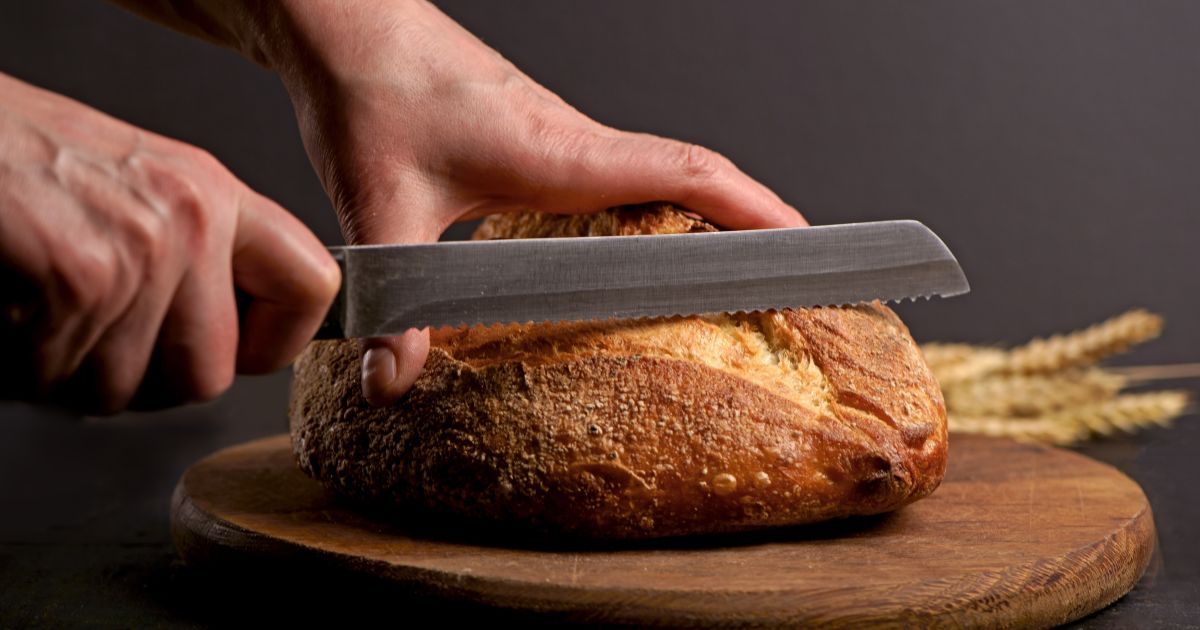
Use a sharp bread knife with a gentle sawing motion to minimize tearing and preserve a clean crumb. Let the loaf rest briefly after cutting so the aroma can travel up from the crumb to the surface. When you’re serving multiple loaves, arrange them by flavor profile and texture to create a journey for your palate. Finally, warm, slice, and plate breads just ahead of serving time to maximize aroma and texture at the table.
Creative Pairing Ideas
Pairing is where bread becomes a canvas. The blank slate of our artisan loaves invites you to explore flavors across soups, salads, sandwiches, and boards. Below are trio-tested ideas that highlight the versatility of Nino’s breads while keeping preparation simple and delicious.
Pair bastone with homemade soups for comfort. The bastone’s sturdy crust, sturdy crumb, and hearty bite pair beautifully with rustic soups like lentil, tomato-basil, or minestrone. Serve with a drizzle of olive oil, a pinch of cracked pepper, and a handful of fresh herbs to echo the soup’s aromatics. The bread acts as both vessel and accompaniment, inviting you to dip, savor, and savor again.
Use rolls for gourmet sliders at gatherings. Our sandwich rolls offer ideal porosity and mouthfeel for sliders featuring roasted vegetables, marinated meats, or seafood. For a festive touch, compose a mini slider bar with toppings like pickled onions, arugula, or a bright aioli. The result is a crowd-ready, high-impact bite that feels elevated without being fussy.
Combine loaves with cheeses for a tasting board. A selection of crusty loaves alongside creamy, aged, and tangy cheeses creates a balanced cheese board that invites guests to explore contrasts. Add fruit compotes, nuts, honey, or tapenades for variety. This setup emphasizes the bread’s natural character and invites conversation about texture, aroma, and origin.
Consider pairing sourdough with charcuterie for a rustic, stately spread; focaccia with roasted peppers and mozzarella for a vibrant, sun-kissed plate; and ciabatta for panini-style sandwiches featuring grilled vegetables and rich spreads. When in doubt, think about how the bread’s texture and crust can complement or contrast with the dish’s components, and let the pairing guide your serving order and plate presentation.
Nino’s artisan breads shine at home with these tips. Visit our bakery or order online today! Our Breads
Bring Nino’s artisan breads home and savor them with these expert tips for maximum flavor. Our breads are crafted with time-tested techniques, premium ingredients, and a passion for crusty, flavorful loaves that perform beautifully in home kitchens. In this guide, you’ll learn how to store bread to preserve crust and crumb, how to serve bread like a chef, and inventive pairings that elevate everyday meals and gatherings. Meta Description: Enjoy Nino’s artisan bread at home with pro tips for storage, serving, and pairings. Try our breads today!
Storing Bread for Freshness
Fresh bread rewards patience and proper handling. The goal is to keep a crisp crust while preserving a moist, tender crumb. Temperature, humidity, and exposure to air all influence how quickly the loaf goes from bakery-fresh to merely edible. With Nino’s breads, you’ll want to avoid the quick fix of refrigeration, which dries out the crumb and dulls flavor. Instead, think in terms of controlled storage that honors the bread’s crust and texture, and plan for consumption within a couple of days—or a quick, quality reintroduction if you’re saving it longer. The following guidelines mirror how top bakeries approach home use: simple, practical, and kind to your bread’s character.
- Wrap loaves in cloth to maintain crust texture. Cloth allows the loaf to breathe, protecting the crust from becoming damp or chewy while preventing a hard, dry exterior. For best results, use a clean cotton or linen cloth, or a breathable bread bag. Avoid plastic wrap or non-porous containers, which trap moisture and soften the crust. Store the wrapped loaf on the counter in a cool, dry spot away from direct sunlight or heat sources. If you must store more than one loaf, give each loaf its own breathable wrap to prevent flavor transfer and moisture buildup.
- Store at room temperature for up to two days. Room temperature (roughly 65–75°F/18–24°C) is ideal for maintaining a crusty bite and tender crumb. Keep the bread away from heat sources and strong odors, which can migrate into the loaf. If your kitchen tends to be warmer or more humid, monitor the bread and use the two-day window as a guideline rather than a strict rule. After day two, quality starts to decline more noticeably, so plan to consume or repurpose the loaf promptly.
- Freeze extras to enjoy later without waste. Freezing is a baker’s friend for long-term freshness. Wrap the loaf in parchment or wax paper, then seal in a sturdy freezer bag or wrap tightly in aluminum foil to prevent freezer burn. Label with the date and freeze for up to 1–3 months. When you’re ready to enjoy, thaw at room temperature while still wrapped to preserve moisture, then refresh in a 350°F (175°C) oven for 5–7 minutes to re-crisp the crust. Slices can be frozen individually and reheated directly from the freezer in a 350°F oven for 5–7 minutes for quick, crusty results.
Practical note: for best texture, rewarm only as much as you plan to consume in a sitting. Repeated cycles of freezing and thawing can degrade crumb structure and flavor, so plan portions accordingly.
Serving Like a Chef
Serving bread with a sense of ceremony can elevate any meal. The goal is to highlight the bread’s natural flavors and textures—crackling crust, aromatic crumb, and the bread’s character—while pairing it with complementary accompaniments. A few thoughtful steps can transform everyday slices into restaurant-worthy moments right at your table. The following practices help you present and enjoy Nino’s breads with confidence and flair.
- Warm ciabatta slightly before serving. Preheat your oven to 350°F (175°C). Remove bread from packaging and place on a baking tray. Heat for 3–5 minutes, just long enough to awaken the crumb and re-crisp the crust without drying the interior. If you’re pressed for time, a quick 30–60 second pulse in a conventional toaster oven can suffice, but the oven method generally yields a more even warmth and aroma. Transfer to a warmed board or plate, drizzle with a touch of olive oil if desired, and present while the scent is at its peak.
- Slice focaccia for olive oil dipping. Focus on even portions—about 1/2 inch thick—so each piece offers a generous bite without overwhelming the dip. Arrange slices on a platter with a small dish of extra-virgin olive oil, perhaps a splash of balsamic and a pinch of sea salt or herbs. For extra aroma, rub a tiny garlic clove over the warm surface before slicing and serving. The result is a simple, elegant pairing that invites conversation and celebration at the table.
- Present sourdough with butter for elegance. Soft, cultured butter (or a high-quality cultured butter) pairs beautifully with tangy, airy sourdough. Let the butter come to room temperature so it’s easy to spread, then offer a small knife or butter pat on the side of the board. A light sprinkle of flaky sea salt over the butter enhances depth, and a few herb sprigs or cracked pepper can add a subtle aroma that elevates the whole experience. Place a few crisp, clean bread slices next to the butter to invite guests to savor the contrast between crust, crumb, and fat.
Pro tip: always keep a small bread knife or serrated blade handy for clean, even cuts that reveal the loaf’s crumb structure. A beautiful presentation often starts with the cut and the way the bread is plated.
Creative Pairing Ideas
Bread becomes a vehicle for flavor when paired with the right accompaniments. Whether you’re hosting a casual gathering or planning a tasting, these pairing ideas showcase how Nino’s bastones, focaccias, rolls, and loaves complement soups, cheeses, charcuterie, and more. Think of these pairings as a starting point, then tailor them to your guests’ preferences and your menu.
- Pair bastone with homemade soups for comfort. A crusty bastone is perfect for coddling soups such as tomato-basil, minestrone, cream of mushroom, or roasted-garlic soup. Use it to sop up rich, flavorful broth, adding texture with each bite. For a thematic touch, dust the plate with a drizzle of olive oil and a small sprinkle of sea salt, allowing the loaf’s aroma to lift the dish without overpowering it. The crust provides a satisfying bite that contrasts with a silky, savory soup.
- Use rolls for gourmet sliders at gatherings. Mini sliders are a crowd-pleaser, and high-quality rolls set the foundation for elevated fillings. Consider roasted turkey with cranberry, smoked ham with Dijon, or a hearty mushroom and fontina option for vegetarians. Toast the rolls lightly to enhance aroma and crust, then assemble sliders with precise portions so each bite delivers balance between bread, filling, and condiments. Present on a board with pickles, onions, and an array of sauces for customization.
- Combine loaves with cheeses for a tasting board. A cheese-forward board benefits enormously from a selection of breads. Pair rustic sourdough with a tangy aged cheese, a soft triple-cream with a mild loaf, and a crumbly loaf with a sharp cheddar. Add fruit, honey, fig jam, roasted nuts, and olives to create dynamic flavor pairings. Arrange with proper spacing, label the cheeses, and offer small knives to encourage guests to explore the combinations. If you’re serving wine, provide a light red or dry white to complement the bread and cheese without overpowering them.
Tip: allow guests to sample a small bite of each pairing to identify their preferred combinations. Bread’s versatility shines when guests discover their own favorite matches.
Conclusion
Nino’s artisan breads shine at home when you store them thoughtfully, serve them with chef-like care, and explore creative pairings that elevate meals and gatherings. By following these tips, you’ll preserve crust, maximize flavor, and create memorable experiences around your table. Ready to bring more of Nino’s to your home? Visit our bakery or order online today to explore the full assortment and start enjoying bread that’s crafted with passion and delivered with consistency. Our Breads.